Natural Stone Cleaning That Knows What Your Stone Is Made Of
Natural stone is porous. It absorbs stains, dirt, and moisture over time, and regular mopping cannot fix that. Worse, every stone fails differently: marble etches from acidic spills, travertine fills with dirt in its natural pores, and granite slowly loses its polish under heavy foot traffic. That is why every Shiny Rhino stone job starts with an assessment, not a bucket. We identify your stone and its condition, clean it with pH-neutral, stone-safe solutions, restore worn or etched finishes with honing and polishing, and seal the surface against future staining.
Restore Your Natural Stone
Available in select locations. Enter your ZIP to check availability and local pricing.
Booking online saves 10% automatically.
Prefer to talk? Call (855) 507-8955
Stone-Safe Is Not a Slogan. It Is Chemistry.
Standard household cleaners are often too acidic or too alkaline for natural stone, causing etching, discoloration, and surface damage. Our stone care experts understand the differences between materials and treat each one accordingly.
pH-Neutral, Stone-Safe Solutions
Professional-grade products that clean effectively while maintaining a neutral pH that protects your stone, where household cleaners would etch or discolor it.
Expert Stain Removal
Water marks, oil stains, etch marks, rust, and organic stains each require different treatment. Our technicians identify the stain type first, then apply the removal method appropriate for your specific stone.
Professional Sealing That Lasts
A penetrating sealant fills the pores of your stone, creating an invisible barrier against future staining. Significantly more durable than consumer products, typically lasting 2-5 years.
Honing & Polishing Restoration
For stone that has lost its finish to wear, etching, or scratching, honing and polishing restore the surface to like-new condition at a fraction of the cost of stone replacement.
That Pale Ring on Your Marble Is Probably Not a Stain
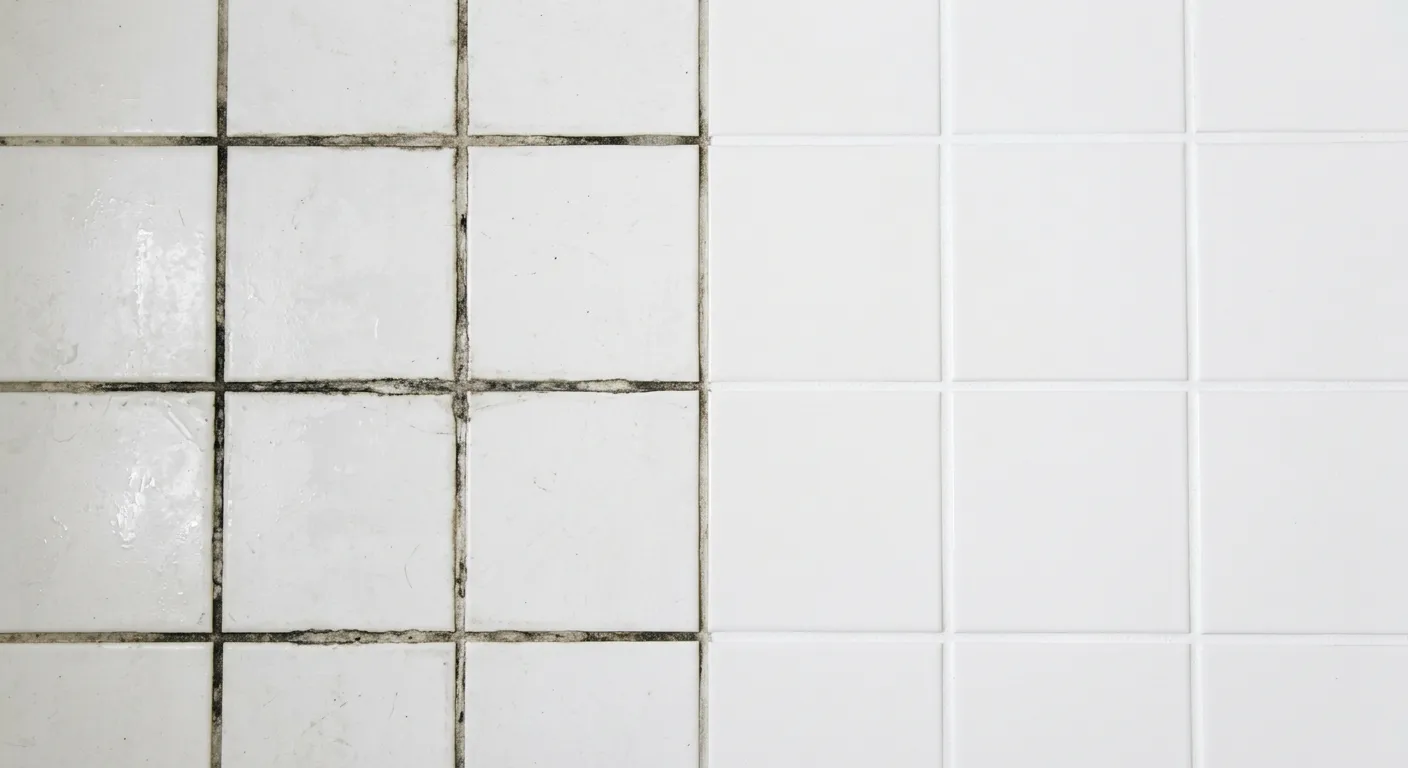
A dull ring or pale spot on marble, limestone, or travertine is usually an etch mark: a chemical reaction between an acid and the stone itself. Lemon juice, vinegar, wine, and many bathroom cleaners are common causes. It looks like a stain, but it is physical damage to the finish, which is why no cleaner will remove it.
Different problems, different fixes
A stain is material absorbed into the stone; stain treatment draws it out. An etch mark is lost finish; honing and polishing restore it. A single spot can be both. We identify which you have at the assessment, so the right treatment is used the first time.
And a heads-up: sealing protects against staining, but no sealer prevents acid etching.
Every Stone Fails Differently. We Treat Them Accordingly.
Marble
Beautiful and acid-sensitive. Etches from citrus, vinegar, and wine; polish dulls in traffic lanes. Care means pH-neutral cleaning, honing and polishing for etched or worn areas, and sealing.
Travertine & Limestone
Both are calcite-based and acid-sensitive, and travertine adds natural pores that fill with dirt. Deep cleaning pulls soil out of the pores; honing evens out wear.
Granite
Tough, but not invincible. Heavy foot traffic dulls the polish, and kitchens add grease films and hard-water spots. Cleaning restores clarity; polishing brings back reflection.
Slate & Flagstone
Textured surfaces hold soil in clefts and uneven areas that mops skate over. Extraction pulls out what texture traps.
Terrazzo & Concrete
Not natural stone, but we service them: terrazzo is aggregate in a cement or resin matrix, concrete is its own material. Each gets an approach matched to what it actually is.
Not Sure What You Have?
That is exactly what the assessment is for. Tell us what you know, and we will identify the stone and its finish before recommending anything.
Does Your Stone Need Cleaning, or Restoration?
Cleaning, when...
The finish is intact but the surface is dirty: soil, residue, or film is causing the dullness. Deep cleaning with stone-safe solutions removes it.
Restoration, when...
The surface itself has changed: etch marks, scratches, lost reflection, worn traffic lanes. Honing and polishing restore the finish at a fraction of the cost of replacing the stone.
Neither, when...
Loose or cracked stone, failing grout, or moisture from below. Cleaning and sealing cannot fix structural or waterproofing problems, and we will say so honestly.
Assessment First, Always
Stone Assessment
We identify your stone type, finish, and any damage or staining to create a customized plan, and tell you upfront what cleaning can improve and what needs restoration.
Deep Clean
Using stone-safe, pH-neutral solutions and equipment matched to your surface, we extract deeply embedded dirt and stains without harming the finish.
Honing & Polishing, Where Needed
Where the finish has been lost to etching, scratches, or wear, honing and polishing restore the surface to like-new condition.
Seal, Protect & Walkthrough
A professional penetrating sealant guards against future staining. Then we walk the result with you. Not happy? We re-clean at no charge.
How to Keep Stone Beautiful Between Visits
Remove Grit
Dust mop or vacuum often. Sand and grit are abrasive, and they scratch stone underfoot.
Act on Spills
Blot promptly instead of wiping. On marble, limestone, and travertine, treat citrus, vinegar, and wine as emergencies: no sealer prevents acid etching.
Clean Gently
Use a neutral cleaner made for stone. Skip vinegar, acidic descalers, abrasive pads, and waxy products. Never mix bleach and ammonia.
Protect the Surface
Coasters under drinks, trivets under hot items, mats at entrances. Cheap habits that save expensive restoration.
Exact Local Pricing, Before We Start
Stone work is priced by the stone type, finish, area, condition, and the treatment it needs: cleaning alone is a different scope from honing and polishing. Enter your ZIP code to check availability and see local rates. Your technician confirms the recommended service and price at the assessment, before any work begins.
Check Availability & Save 10%Natural stone service is available in select locations.
How the Stones Compare
The pattern to remember: calcite-based stones fear acids, softer stones fear abrasion, and every stone fears the wrong cleaner more than dirt.
Marble
Acid sensitivity HIGH, porosity moderate to high. Typical problems: etch marks and dulled polish. The most care-intensive common stone.
Travertine & Limestone
Acid sensitivity HIGH, porosity high, plus natural voids that trap soil. Typical problems: filled pores, uneven wear.
Granite & Quartzite
Acid sensitivity low, hardness high. Typical problems: dulled polish in traffic lanes, grease films, hard-water spots.
Slate & Flagstone
Acid sensitivity low, but softer and textured, so they scratch and trap soil in clefts. Typical problems: embedded soil, flaking.
Polished, Honed, or Tumbled? What Your Finish Means
Polished
Glossy and reflective. Shows etching and scratches the most, which is why polished marble needs the most disciplined care.
Honed
Smooth but matte or satin. More forgiving of wear and etching; a popular floor choice exactly for that reason.
Tumbled & Brushed
Weathered, textured looks that hide wear well but hold soil in their texture. Restoration can move between finishes in many cases.
Never use these on natural stone
Vinegar, lemon, and acidic descalers (they etch calcite stone on contact); abrasive powders and scouring pads (they scratch finishes); waxy or oily "shine" products (they build film); and generic all-purpose cleaners (often too alkaline). If the label does not say stone-safe and pH-neutral, keep it off the stone.
Frequently Asked Questions About Natural Stone Cleaning
Straight answers, the same ones your technician will give you in person.
What types of stone do you clean?+
We clean marble, granite, travertine, limestone, slate, flagstone, terrazzo, and more. Terrazzo and concrete are manufactured surfaces rather than natural stone, and each gets an approach matched to its actual composition.
Is your process safe for polished marble?+
Yes. Our stone-safe, pH-neutral solutions and methods preserve the polish and integrity of marble, and every job starts with an assessment so the method matches your specific stone and finish.
What is the difference between a stain and an etch mark?+
A stain is material absorbed into the stone. An etch mark is finish damage caused by a chemical reaction, usually an acid on marble, limestone, or travertine. Stains get stain treatment; etch marks need honing and polishing. A single spot can be both, which is why we identify it before treating it.
Can cleaning remove etch marks from marble?+
No, and no cleaner can, because an etch mark is physical damage to the finish rather than dirt. Honing and polishing restore the affected surface to like-new condition at a fraction of the cost of stone replacement.
Can every stone stain be removed?+
Most stains can be removed or dramatically improved once the stain type is identified. Some cannot: deep rust stains are notoriously stubborn, and stains fed by moisture from below will return until the moisture source is fixed. Your technician will tell you honestly at the assessment which kind you have.
Does sealing make my stone stain-proof?+
No sealer makes stone stain-proof. A penetrating sealer fills the pores and creates a barrier that slows absorption, giving you time to clean spills before they become stains. It also does not prevent acid etching, so keep acidic liquids off marble, limestone, and travertine.
How long does the sealant last?+
Our professional-grade penetrating sealant is significantly more durable than consumer products and typically lasts 2-5 years. Where your surface lands in that range depends on traffic, cleaning products, and moisture exposure.
What is the difference between honing and polishing?+
Honing uses fine abrasives to create an even, matte or satin finish and removes etch marks, light scratches, and wear. Polishing then refines the surface further for clarity and reflection. Which your stone needs depends on the finish you have and the finish you want.
How often should natural stone be professionally cleaned?+
Every 12-24 months, depending on traffic and use. Between visits, dust mop regularly and stick to neutral, stone-safe cleaners.
What should I use to clean stone at home?+
A neutral cleaner made for stone, and nothing else. Vinegar and acidic cleaners etch marble, limestone, and travertine; abrasive pads scratch polished finishes; waxy products build up a film. Blot spills promptly, and never mix bleach and ammonia.
How much does natural stone cleaning cost?+
Pricing depends on the stone, finish, area, condition, and whether the surface needs cleaning alone or honing and polishing as well. Enter your ZIP code to check availability and local rates. Booking online saves you 10% automatically.
What does your satisfaction guarantee cover?+
If you are not happy with a cleaned area, contact us within 48 hours and we re-clean it at no charge. Tell your technician at the walkthrough or contact your local team afterward.
How do I find my nearest Shiny Rhino?+
Natural stone service is available in select locations. Enter your ZIP code to check availability, or call (855) 507-8955.
Natural Stone Cleaning Near You
Natural stone services are available in select participating locations. Enter your ZIP code to confirm availability in your area:
View All LocationsRestore the Natural Beauty of Your Stone
Start with an assessment, not a guess. We identify the stone, diagnose the actual problem, and recommend only the treatment the surface needs. Not happy? We re-clean at no charge.