
Why Knowing How to Remove Carpet Stains Matters
If you own carpet, stains are inevitable. Red wine tips over at dinner, your dog tracks in mud, or your toddler decides the carpet is the perfect canvas for a chocolate masterpiece. The good news is that most carpet stains can be treated effectively at home if you act fast and use the right approach.
Not every stain responds to the same treatment, and using the wrong solution can set a stain permanently. In this guide, we cover nine common carpet stains with methods that work and explain when to call the professionals.
Before we dive in, remember these golden rules: blot (never rub), work from the outside in, test solutions on a hidden area first, and act quickly.
1. How to Remove Red Wine Stains from Carpet
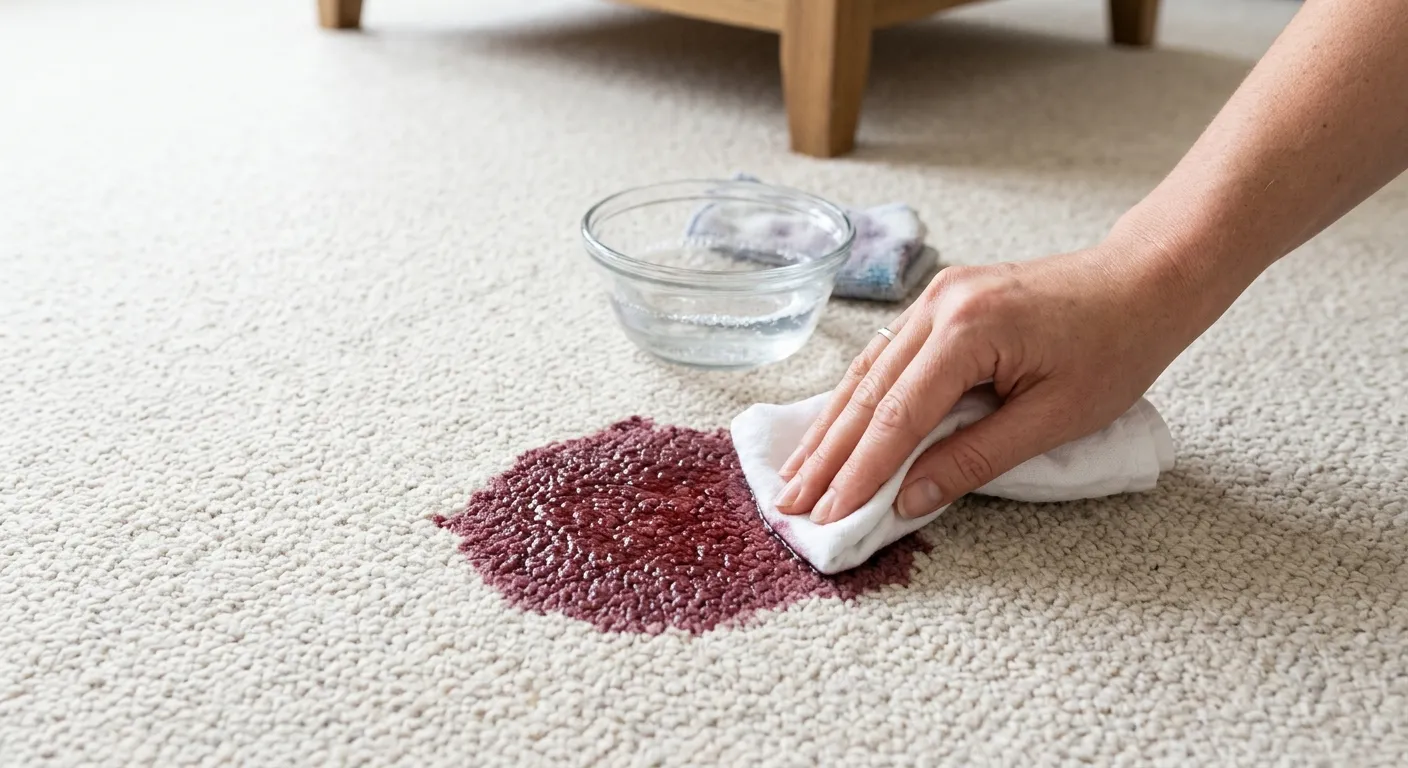
Red wine is one of the most feared carpet stains, but it does not have to be permanent. The tannins in red wine bond with carpet fibers quickly, so speed is everything here.
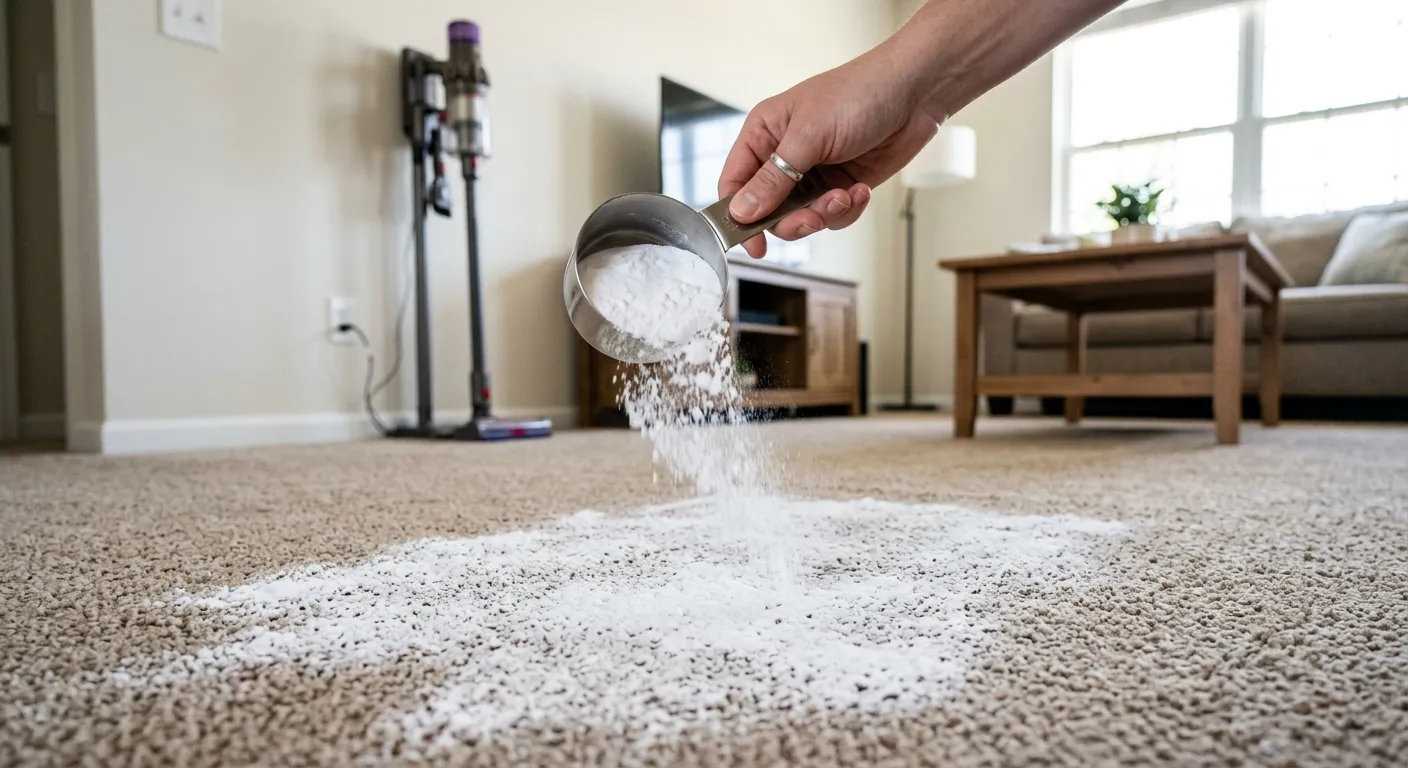
DIY Method: Blot up as much wine as possible immediately. Then mix one tablespoon of dish soap and one tablespoon of white vinegar with two cups of warm water. Apply this solution to the stain with a clean cloth, blotting gently. Repeat until the stain lifts. For stubborn spots, sprinkle salt or baking soda over the wet stain to draw out the remaining wine. Let it sit for 15 to 20 minutes, then vacuum.
When to call a pro: If the stain has dried or covers a large area, professional hot water extraction can reach deep into the carpet pad where DIY methods cannot. At Shiny Rhino, we see dried red wine stains every week, and our success rate with professional treatment is above 90 percent.
2. Removing Coffee Stains from Your Carpet
Coffee stains are deceptively tricky. The dark pigments and acidity can discolor carpet fibers if left untreated for even a few hours.
DIY Method: Blot the spill immediately with paper towels or a clean white cloth. Mix one tablespoon of liquid dish soap, one tablespoon of white vinegar, and two cups of warm water. Apply to the stain and blot. For older coffee stains, try dabbing with a small amount of hydrogen peroxide (test on a hidden area first, as it can bleach some carpet types). Rinse with cold water and blot dry.
When to call a pro: If you have light-colored carpet and the coffee stain has been sitting for more than 24 hours, professional cleaning is your best bet. The longer coffee sits, the more it bonds to synthetic and natural fibers alike.
3. Pet Urine Stain and Odor Removal
Pet urine is a two-part problem: the visible stain and the odor that lingers beneath the surface. Standard cleaning often handles the stain but misses the odor, which is why your pet may return to the same spot.
DIY Method: Blot fresh urine immediately. Mix equal parts white vinegar and water, pour it over the stain, and let it sit for five to ten minutes. Blot thoroughly, then sprinkle baking soda over the area. Mix half a cup of hydrogen peroxide with a teaspoon of dish soap and drizzle it over the baking soda. Let everything dry completely, then vacuum. The baking soda and peroxide combination helps neutralize the uric acid crystals that cause lingering odor.
When to call a pro: If urine has soaked into the carpet padding or if you are dealing with repeated accidents in the same area, professional enzyme treatments are the only reliable solution. DIY methods treat the surface, but professional-grade enzyme cleaners break down uric acid at the molecular level. If you are struggling with pet odors, check out our guide on getting rid of pet odor in carpet for good.
4. How to Get Grease and Oil Stains Out of Carpet
Grease stains from food, cooking oil, or mechanical grease are oil-based, which means water alone will not remove them. You need something that breaks down oils.
DIY Method: Sprinkle baking soda or cornstarch liberally over the grease stain and let it sit for 15 minutes to absorb the oil. Vacuum up the powder. Then apply a small amount of dish soap (Dawn works well) directly to the stain. Work it in gently with a damp cloth, blotting as you go. Rinse with warm water and repeat if needed. For dried grease, try dabbing with a cloth dampened with rubbing alcohol before the dish soap step.
When to call a pro: Large grease stains or those that have been heat-set (like from a dropped iron or hot pan) usually need professional solvent-based treatment. Attempting aggressive DIY methods on these can spread the stain further.
5. Removing Ink Stains from Carpet
Ink stains vary dramatically depending on the type of ink. Ballpoint pen ink responds differently than marker ink or printer ink.
DIY Method: For ballpoint pen ink, dampen a clean white cloth with rubbing alcohol (isopropyl alcohol) and blot the stain gently. Do not pour alcohol directly onto the carpet, as it can damage the backing. Replace the cloth as it picks up ink to avoid spreading. For water-based marker ink, try a mixture of one teaspoon of dish soap in one cup of warm water. For permanent marker, rubbing alcohol is your best starting point, but results vary.
When to call a pro: Printer ink and large ink spills almost always require professional attention. These inks contain pigments designed to be permanent, and DIY attempts often make the stain worse by spreading it across a larger area.
Not sure when your carpets were last deep cleaned?
Get an exact price online in about two minutes. No phone tag, no surprise fees.
Get My Instant Quote6. Blood Stain Removal from Carpet
The key with blood stains is to always use cold water. Hot water will cook the proteins in blood and set the stain permanently.
DIY Method: Blot with a clean cloth dampened with cold water. For dried blood, mix two teaspoons of liquid dish soap with cold water and apply to the stain. Let it sit for five minutes, then blot. If the stain persists, make a paste of cold water and meat tenderizer (yes, the spice), apply it to the stain, and let it sit for 30 minutes. The enzymes in meat tenderizer break down blood proteins. Rinse with cold water and blot dry.
When to call a pro: Large or old blood stains that have fully dried and set into the fibers need professional enzyme-based treatment. This is especially true for lighter colored carpets where even a faint remaining mark is noticeable.
7. Getting Mud Out of Carpet
This one requires patience. The best thing you can do with mud is wait.
DIY Method: Let the mud dry completely. Trying to clean wet mud will only push it deeper into the fibers and spread it around. Once dry, vacuum thoroughly to remove as much dried mud as possible. Then mix one teaspoon of dish soap with one cup of warm water, and blot the remaining stain. For red clay mud, add a tablespoon of white vinegar to the solution, as the acidity helps break down the iron oxide that gives clay its color.
When to call a pro: If mud has been tracked across large areas of carpet or has been ground in by foot traffic, professional cleaning will save you hours of work and deliver better results. This is also a good time to consider our upholstery cleaning services if muddy shoes made it to the couch too.
8. Chocolate Stain Removal Tips
Chocolate is a combination stain with both protein and oil components, which is why it can be stubborn.
DIY Method: Scrape off any solid chocolate with a butter knife or spoon. Do not press down. Apply an ice cube in a plastic bag to harden any remaining chocolate, then scrape again. Mix one tablespoon of dish soap with two cups of warm water and blot the remaining stain. For stubborn spots, follow up with a mixture of one part white vinegar to two parts water. The key is multiple light treatments rather than one aggressive attempt.
When to call a pro: Melted chocolate that has been ground into carpet fibers, especially in high-traffic areas, can be very difficult to fully remove at home. Professional hot water extraction can pull chocolate residue from deep within the carpet pile.
9. How to Remove Candle Wax from Carpet
Candle wax requires a completely different approach than liquid stains. You are dealing with a solid that has bonded to the fibers.
DIY Method: Place a brown paper bag or clean white cloth over the wax. Run a warm iron (low setting) over it. The heat melts the wax and the paper absorbs it. Move to a clean section as it picks up wax. Treat any remaining dye color with rubbing alcohol on a clean cloth.
When to call a pro: Deeply colored candle wax, especially red and dark purple, can leave dye stains even after the wax itself is removed. Professional carpet cleaners have specialized dye-removal solutions that are not available to consumers.
The Bottom Line on DIY Stain Removal
Most fresh stains can be treated at home if you act quickly and use the right technique. But when a stain has set or covers a large area, professional carpet cleaning is worth the investment at $75 to $200, far less than replacing carpet at $3 to $11 per square foot.
If you need expert help to remove carpet stains safely, Shiny Rhino offers free stain assessments. We also offer tile and grout cleaning and hardwood floor care if your cleaning needs extend beyond carpet.