
Steam Cleaning vs Dry Cleaning Carpet: Making the Right Choice
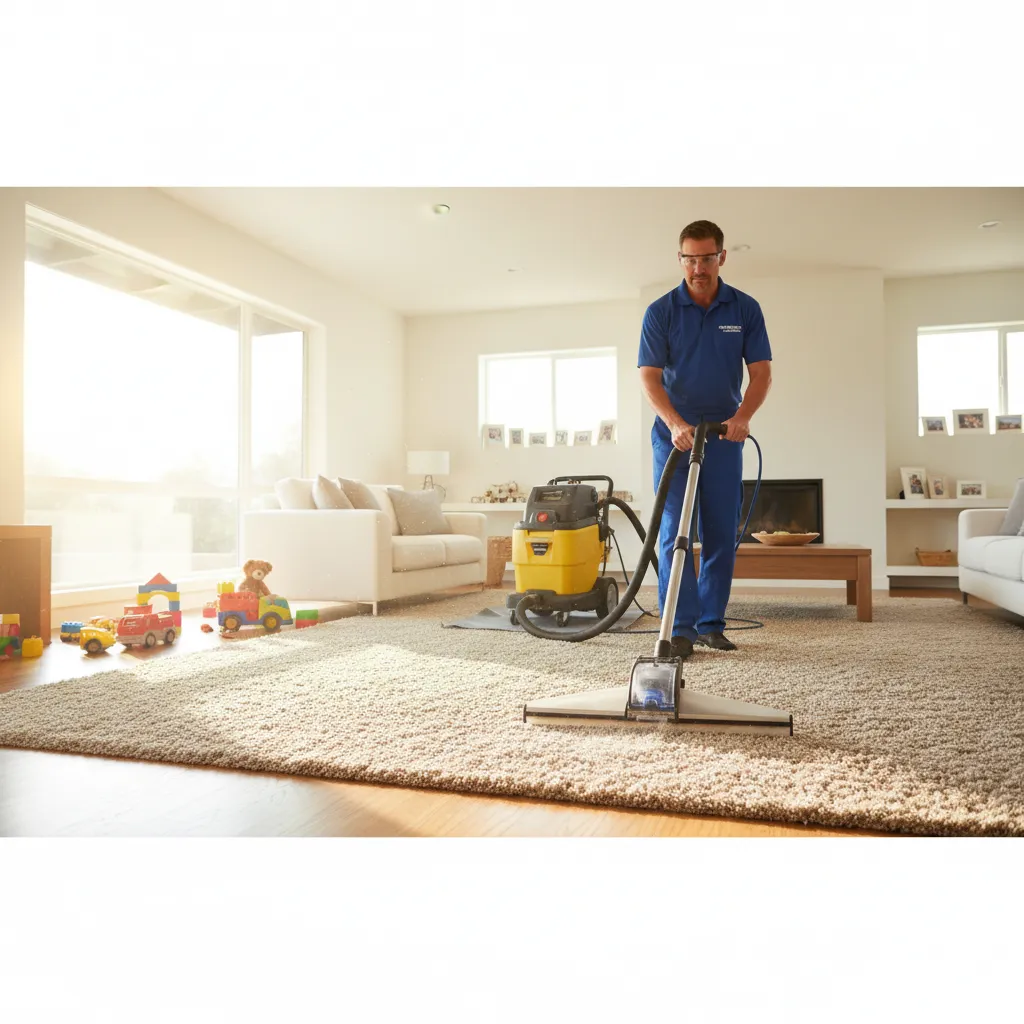
When it comes time for professional carpet cleaning, you will likely encounter two main options: steam cleaning and dry cleaning. Understanding the difference between steam cleaning vs dry cleaning carpet methods is essential for making an informed decision that protects your investment and delivers the results you expect.
At Shiny Rhino, we have cleaned carpets using both methods for years. In this guide, we explain how each method works, compare costs and drying times, and help you determine which approach is right for your home.
How Steam Cleaning (Hot Water Extraction) Actually Works
First, let us clear up a common misconception. What most people call steam cleaning is technically hot water extraction, or HWE. True steam cleaning uses actual steam vapor, which is relatively rare in residential carpet cleaning. Hot water extraction uses very hot water, typically between 150 and 220 degrees Fahrenheit, but not actual steam at 212 degrees at the carpet surface.
Here is how the hot water extraction process works step by step:
- Pre-inspection: The technician examines your carpet to identify fiber type, existing damage, and areas of heavy soiling. This determines which cleaning solutions and techniques to use.
- Pre-vacuuming: Dry soil is removed with a commercial-grade vacuum. This step is critical because removing dry soil first prevents it from turning into mud during the wet cleaning process.
- Pre-treatment: A cleaning solution is applied to the carpet and agitated into the fibers using a grooming tool or rotary brush. This loosens soil and breaks down oils, greases, and other contaminants.
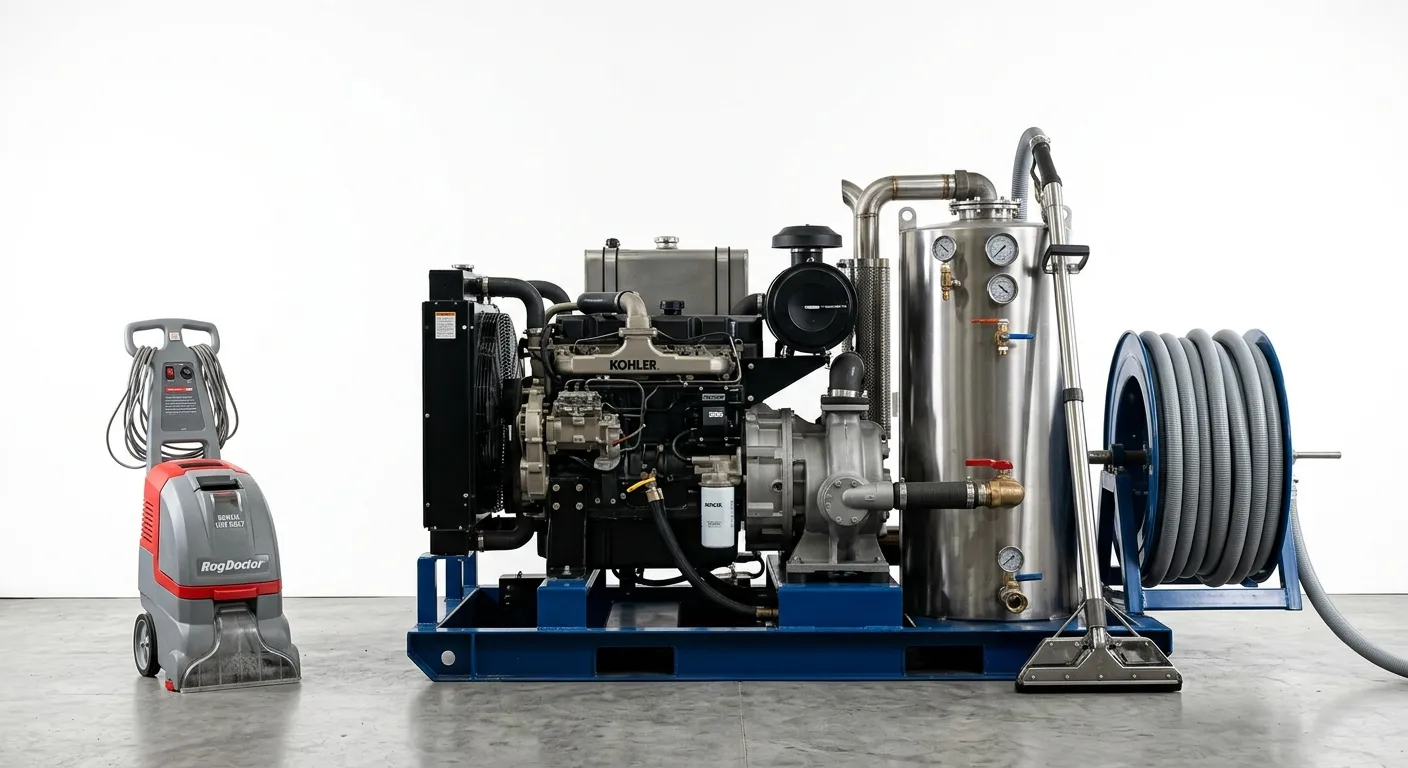
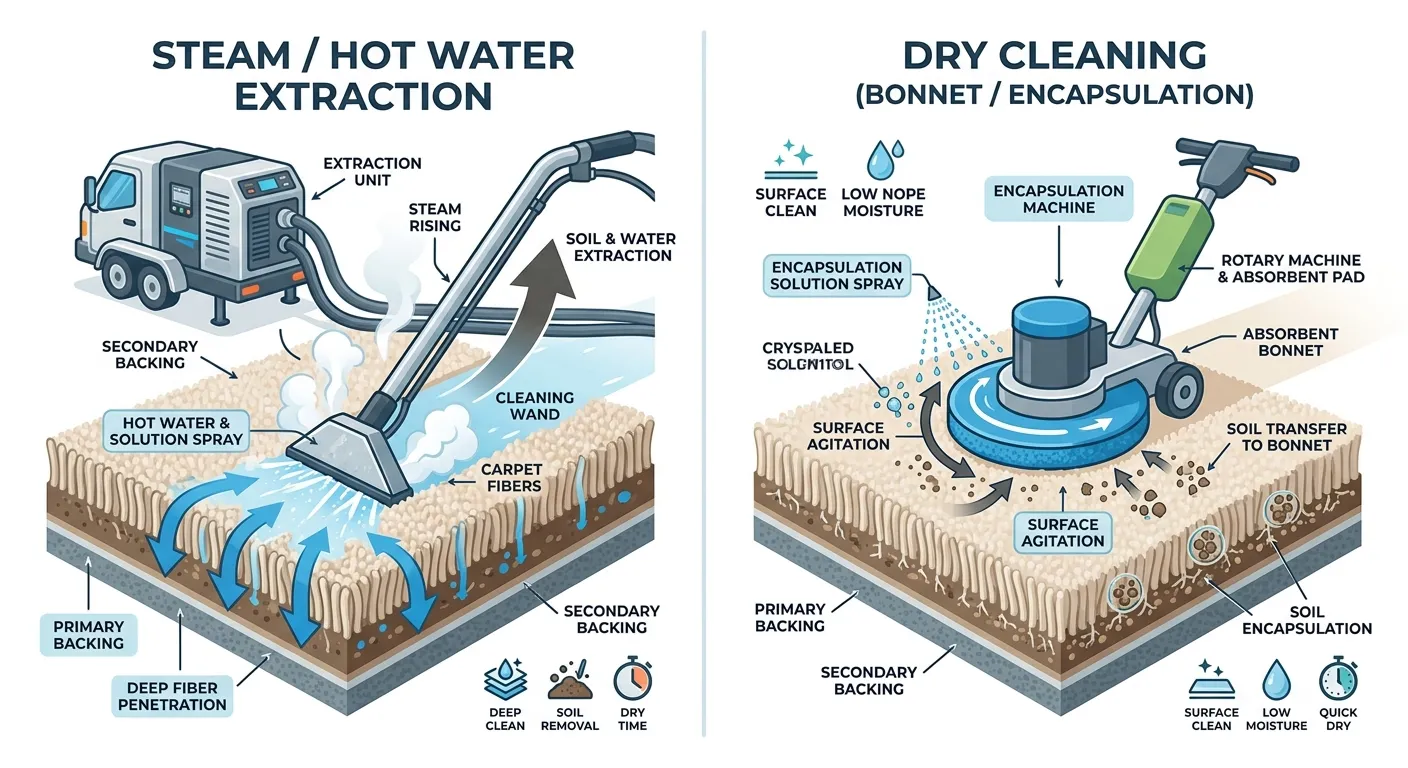
- Hot water extraction: A truck-mounted or portable machine injects hot water and cleaning solution deep into the carpet under high pressure (typically 400 to 500 PSI) and immediately extracts it along with the dissolved soil. The extraction suction is powerful enough to remove the majority of the moisture and cleaning solution.
- Post-grooming: The carpet pile is groomed to set the fibers upright for even drying and a uniform appearance.
The entire process reaches deep into the carpet backing and even the padding, providing the most thorough cleaning available. This is why virtually every major carpet manufacturer recommends hot water extraction as the preferred professional cleaning method.
How Dry Carpet Cleaning Methods Work
Dry carpet cleaning is an umbrella term that actually covers several different low-moisture methods. None of them are truly dry, but they use significantly less water than hot water extraction. Here are the main types:
Encapsulation Cleaning
A crystallizing polymer solution is applied to the carpet and agitated with a rotary or oscillating machine. As the solution dries, it encapsulates dirt particles in microscopic crystals. These crystals are then removed by regular vacuuming. This method uses very little moisture and allows carpets to be walked on almost immediately.
Bonnet Cleaning
A cleaning solution is sprayed onto the carpet, and a rotary floor machine with an absorbent pad (bonnet) spins over the surface, picking up dissolved soil. The bonnet is rinsed or replaced as it becomes soiled. This is essentially a surface cleaning method and does not reach deep into the carpet pile.
Dry Compound Cleaning
An absorbent compound, usually made of corn cob or cellulose material, is mixed with cleaning solvents and spread over the carpet. A machine works the compound into the fibers, where it absorbs soil. After 15 to 30 minutes, the compound and absorbed dirt are vacuumed up. This method uses no water at all.
Side-by-Side Comparison: Steam Cleaning vs Dry Cleaning
Let us compare these methods across the factors that matter most to you as a homeowner:
Cleaning Depth and Effectiveness
Hot water extraction wins this category convincingly. The combination of heat, pressure, and powerful suction removes soil and contaminants from deep within the carpet fibers, backing, and even the padding. Independent testing by the Carpet and Rug Institute consistently shows that hot water extraction removes more soil per cleaning than any dry method. Dry methods primarily clean the upper portion of the carpet pile and are less effective against deep-set stains, allergens, and odor-causing bacteria.
Drying Time
This is where dry cleaning methods have a clear advantage. Encapsulation and dry compound methods allow foot traffic within 30 minutes to 2 hours. Bonnet cleaning carpets are typically dry within 1 to 2 hours. Hot water extraction requires 4 to 12 hours of drying time, depending on humidity, carpet thickness, airflow, and the equipment used. However, modern truck-mounted systems with high-powered extraction have significantly reduced drying times compared to older equipment or portable machines.
Cost Comparison
Costs vary by region and provider, but here are typical ranges:
- Hot water extraction: $25 to $75 per room, or $0.20 to $0.40 per square foot
- Encapsulation: $20 to $55 per room
- Bonnet cleaning: $15 to $40 per room
- Dry compound: $20 to $50 per room
While dry methods may cost slightly less per session, consider that hot water extraction cleans more thoroughly, which can mean longer intervals between cleanings and extended carpet life. Over time, the cost difference often balances out or favors hot water extraction.
Not sure when your carpets were last deep cleaned?
Get an exact price online in about two minutes. No phone tag, no surprise fees.
Get My Instant QuoteSafety for Carpet Fibers
When performed correctly, both methods are safe for most carpet types. However, there are some important distinctions. Hot water extraction at excessively high temperatures or with improper technique can cause shrinkage in wool carpets, browning in natural fiber carpets, or overwetting if the extraction step is not thorough. Dry methods carry less risk of moisture-related issues but the chemicals used in some dry compound cleaners can leave residue that attracts soil faster after cleaning.
Certain delicate carpet types, including silk, sisal, and some wool blends, may require dry or low-moisture methods. A qualified technician will identify your carpet fiber type before recommending a method.
Allergen and Bacteria Removal
Hot water extraction is significantly more effective at removing allergens, bacteria, and dust mites. The high water temperature kills dust mites and bacteria on contact, and the powerful suction removes them along with the water. Studies show that hot water extraction removes up to 98 percent of allergens from carpet. Dry methods remove surface allergens but are less effective against contaminants embedded deep in the carpet pile and padding.
When Steam Cleaning Is the Best Choice
Hot water extraction is the recommended method in most situations, and it is the method Shiny Rhino uses as our standard service. Choose hot water extraction when:
- Your carpet has not been professionally cleaned in over a year
- You have visible stains, odors, or heavy soiling
- You have pets, children, or allergy sufferers in the home
- Your carpet manufacturer requires it for warranty compliance
- You want the deepest, most thorough cleaning possible
- You are dealing with pet urine or biological contamination
If you have carpet odor issues, hot water extraction combined with enzyme treatments is the most effective solution available. See our guide on getting rid of pet odor in carpet for more details.
When Dry Cleaning Makes More Sense
While hot water extraction is our go-to method, there are situations where dry or low-moisture cleaning is the better choice:
- You need the carpet ready for foot traffic within a few hours (such as a business environment)
- Your carpet is made of natural fibers like wool, silk, or sisal that may react poorly to moisture
- You are maintaining recently cleaned carpet between deep-cleaning sessions
- The carpet is installed over a surface where moisture could cause damage, such as unglued seams over hardwood
- You need to clean during cold weather when extended drying times are impractical
The Shiny Rhino Approach
At Shiny Rhino, we believe in using the right method for each situation rather than a one-size-fits-all approach. Our standard residential service uses truck-mounted hot water extraction, which provides the deepest clean and fastest drying times available. Our truck-mounted equipment generates higher water temperatures and stronger suction than portable units, which means cleaner carpets and shorter drying times for you.
We also offer encapsulation cleaning and a hybrid approach that combines low-moisture pre-treatment with targeted hot water extraction in high-traffic areas.
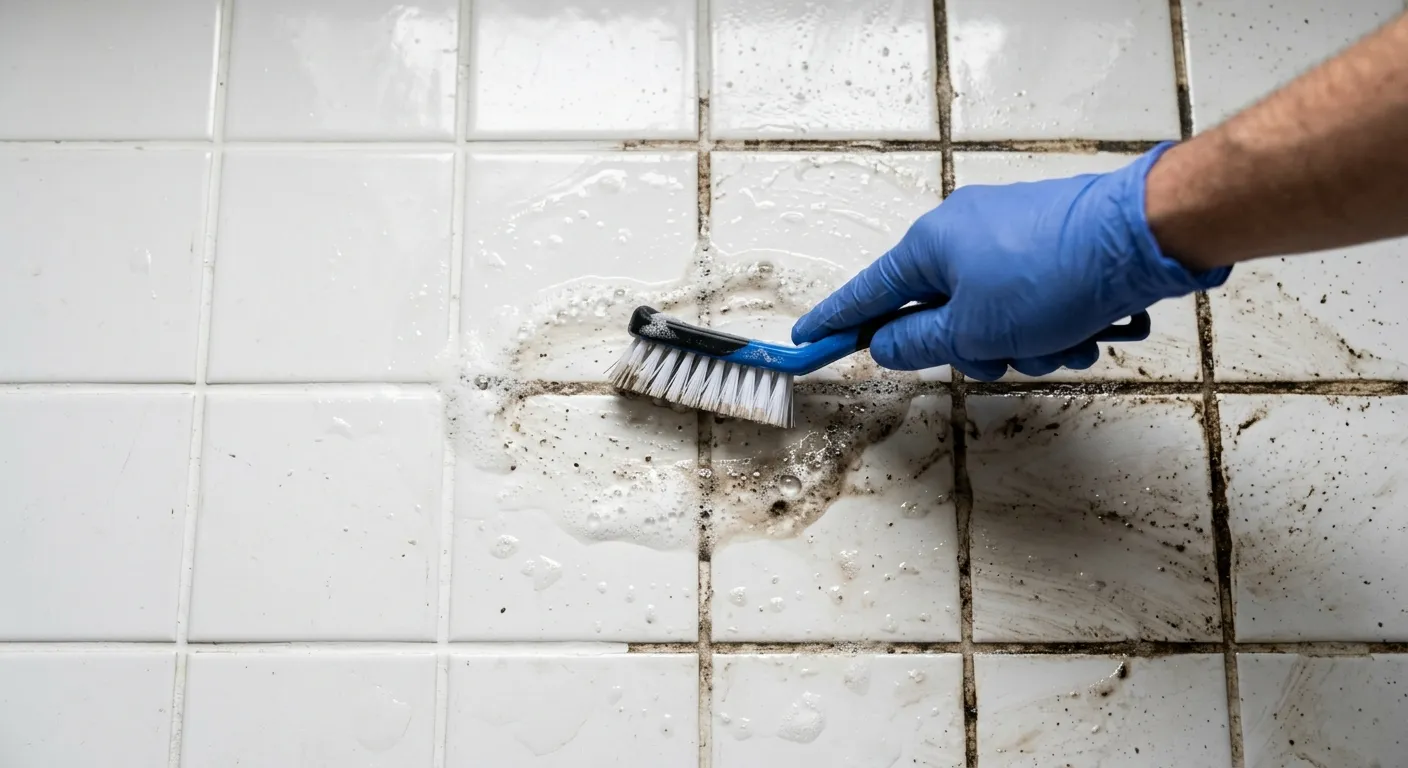
Every service begins with a pre-inspection where we identify your carpet type and recommend the best method. We also offer upholstery cleaning, tile and grout cleaning, and hardwood floor services that can be bundled with your appointment.
Making Your Decision
When comparing steam cleaning vs dry cleaning carpet methods, the right choice depends on your priorities. If you want the most thorough deep clean and can allow 4 to 8 hours of drying time, hot water extraction is the clear winner. If you need fast drying or have delicate natural fiber carpet, a dry method may be more appropriate.
For most homeowners, we recommend professional hot water extraction every 12 to 18 months as your primary cleaning method, with interim vacuuming and spot cleaning to maintain results between sessions. If you are unsure which method is right for your carpet, contact Shiny Rhino for a free assessment. We will inspect your carpet, identify the fiber type, and recommend the approach that delivers the best results for your specific situation.