
Most deep cleaning checklists fail for the same reason: they list every task anyone has ever done to a house, in no order of importance, and the reader does four of them and abandons the list.
A schedule works better than a checklist, because the real question is how often each thing needs it, not what could be cleaned. Some jobs need doing monthly. Many need doing once a year. A few of the most-recommended ones barely need doing at all.
This is that schedule, sorted by frequency, with the reasoning attached.
Key Takeaways
- Frequency beats effort. Vacuuming traffic lanes slowly every week does more than a heroic deep clean twice a year.
- Soft surfaces are the ones that matter for health - carpet, upholstery, mattresses, bedding, curtains. They hold the allergens.
- 84% of US homes have detectable dust mite allergen, and mites need humidity above 50% to thrive.
- Monthly: the things that accumulate invisibly - baseboards, under furniture, mattress vacuum, extractor filters.
- Seasonally: the things tied to weather - windows, curtains, HVAC, outdoor entries, and the spring allergen reset.
- Yearly: professional carpet and upholstery extraction, grout, and the full move-the-furniture pass.
- Three popular tasks are mostly busywork - see the last section.
Weekly - the foundation
Nothing on the monthly or yearly list compensates for skipping these.
- Vacuum all floors, and vacuum slowly. A vacuum needs dwell time to lift soil out of a pile; fast passes skim the surface. Slower is the single highest-return change most people can make.
- Several passes in traffic lanes - doorways, in front of the sofa, the kitchen-to-table route. These hold several times the soil of open floor.
- Wash bedding in hot water. Heat is what kills dust mites; a cool wash removes some allergen and leaves the population.
- Wipe down kitchen and bathroom surfaces, and change tea towels.
- Squeegee the shower after use, or at least weekly. Thirty seconds, and it is the most effective thing you can do for shower grout.
- Deal with spills immediately. Fresh almost always comes out; dried often does not. See how to remove carpet stains.
Monthly - the things that accumulate invisibly
- Crevice tool along every baseboard. Dust and allergen concentrate here and no vacuum head reaches it.
- Vacuum upholstery, including into every seam. Seams are where dander and dust collect.
- Vacuum the mattress surface and sides with an upholstery tool.
- Vacuum under and behind the furniture you can move easily - under the bed, behind the sofa cushions, under a side table.
- Clean extractor and range hood filters. A greasy kitchen filter stops working and starts smelling.
- Wash or vacuum pet bedding in hot water. If a dog sleeps on the sofa, that cushion is the most concentrated dander source in the house.
- Flip and rotate sofa cushions so wear and compression spread evenly.
- Wipe light switches, door handles and remote controls.
- Check the humidity. A cheap hygrometer; aim below 50% relative humidity, which suppresses dust mites without any cleaning at all.
- Clean the vacuum itself. Empty it, wash the filter if it is washable, check the brush roll for wound-on hair. A clogged vacuum is the reason a lot of "my carpet never looks clean" complaints exist.
Each season - the weather-linked jobs
Spring is the big one, because pollen arrives on top of a winter's accumulation. The full soft-surface allergen reset belongs here: wash all bedding, fit allergen-impermeable covers on mattresses and pillows, vacuum all upholstery and mattresses, wash or vacuum curtains, and move the furniture. The detail is in spring deep clean for allergy season.
Summer - humidity is the enemy. Check that extractor fans work, run a dehumidifier if indoor humidity sits above 50%, and do not dry laundry on radiators indoors. Clean outdoor entry mats, which are carrying the summer's dust inside. Good season for area rugs that can be washed and dried outdoors.
Fall - the indoor season starts. Service or change HVAC filters before the heating goes on. Wash curtains. Deal with entryways before the wet and the road salt arrive: doormats inside and out at every external door, which is the highest-return thing on this entire page for protecting floors. Check hardwood floors for finish wear in the traffic lanes.
Winter - grit and salt are tracked in constantly, and grit underfoot is sandpaper on every hard floor. Shoes off, mats maintained, vacuum entry areas more often than feels necessary. Watch indoor humidity swinging low, which gaps hardwood boards and makes fine pet hair cling harder.
Once a year - the jobs worth doing properly
- Professional carpet extraction. This is the one a vacuum cannot substitute for. Vacuuming removes surface and near-surface soil; the reservoir sits deeper in the pile and in the backing, and getting it out needs water, heat and enough suction to take it all back out again. Frequency depends on traffic, pets and allergies rather than the calendar - see how often should carpets be professionally cleaned.
- Professional upholstery cleaning, for the same reason, on the pieces that get sat on daily.
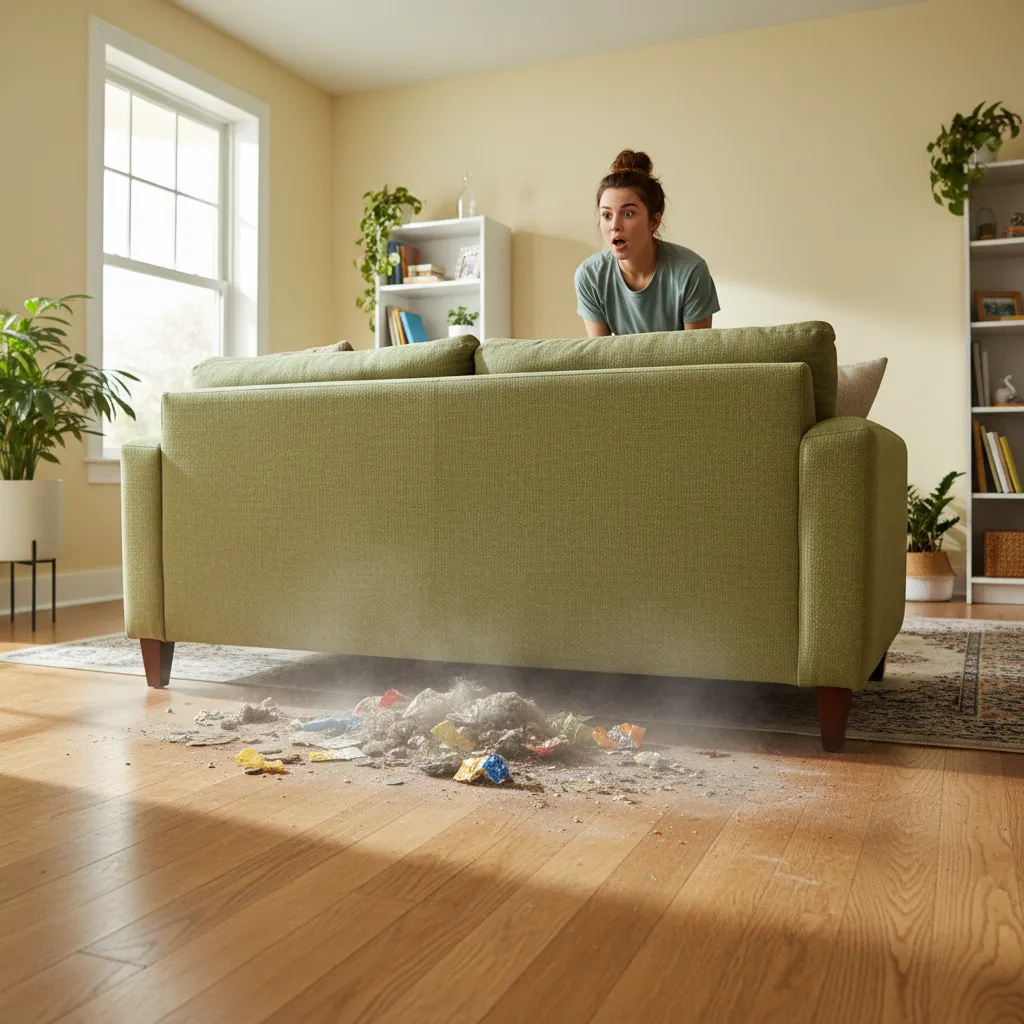
- Move all the furniture and vacuum underneath, properly, once. Under the sofa and the bed is where a year has been accumulating.
- Clean and reseal grout if it is cement-based. The water-drip test tells you whether it needs it - if water beads, the sealer is working; if it soaks in, reseal. See how to clean tile grout and how to seal grout.
- Wash or replace pillows. Many are machine washable; check the label.
- Clean behind and under the appliances - fridge coils, under the washing machine, behind the stove.
- Wash walls and doors where hands and shoes have marked them.
- Clean window tracks and sills, not just the glass.
- Check the dryer vent. A lint-blocked vent is a fire risk as well as an efficiency problem.
- Rotate and flip mattresses per the manufacturer's guidance.
- Rotate area rugs so wear and light exposure even out.
Three tasks that are mostly busywork
Said plainly, because every checklist includes them and they rarely earn their place.
Deodorizing carpet. If a carpet smells, something is causing it - usually pet urine, or moisture that did not dry fast enough. A deodorizer masks a cause that is still there, and in the case of urine the smell will return on the next humid day because the uric acid crystals were never removed. Find the cause instead: how to get pet urine smell out of carpet.
Washing walls on a schedule. Walls get marked in specific places - by light switches, behind chairs, at child height. Spot-clean those and leave the rest. Washing a whole wall that is not dirty is an afternoon spent on nothing.
Mopping hard floors weekly with lots of water. On hardwood this is actively harmful - standing water finds the seams, swells the board edges and causes cupping, which is damage in the timber rather than the finish. Dry soil removal is the frequent job; damp cleaning is the occasional one. The same logic applies to tile floors, where mopping dirty water around redeposits soil in the grout you just cleaned.
Making it stick
The schedule that gets followed is the short one.
Not sure when your carpets were last deep cleaned?
Get an exact price online in about two minutes. No phone tag, no surprise fees.
Get My Instant Quote- Attach tasks to things you already do. Baseboards while the kettle boils. Mattress vacuum while the bedding is in the wash.
- Do one room properly rather than four badly. A rotating room-per-week beats a whole-house blitz nobody repeats.
- Fifteen minutes beats two hours. A weekly fifteen minutes on upholstery seams and baseboards outperforms a single annual deep clean.
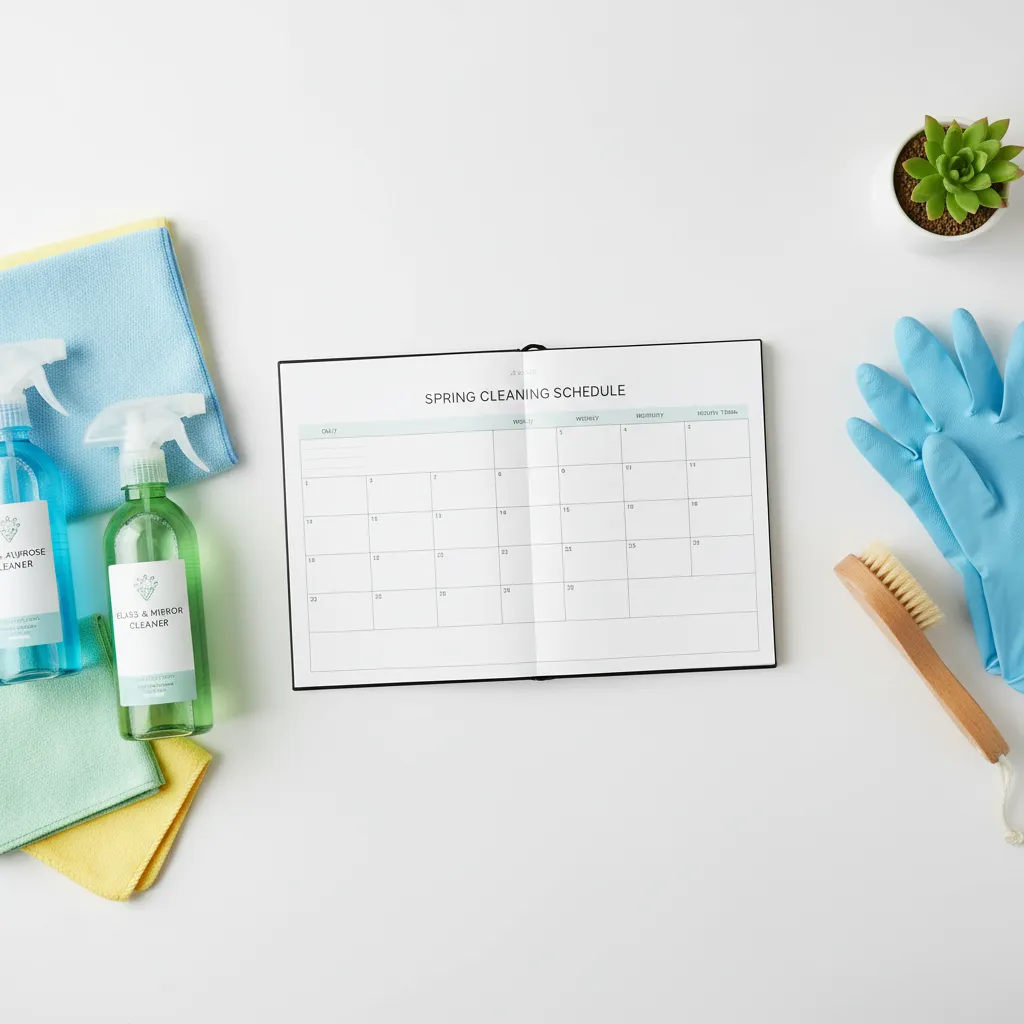
- Write down the yearly jobs with a month beside each one. They are the ones that get forgotten, and they are the ones that matter most.
- Book the annual professional work in advance, in the same month each year, or it slides.
Frequently Asked Questions
What should be on a deep cleaning checklist?
Organize it by frequency rather than by room. Weekly: slow vacuuming, hot-wash bedding, surfaces, squeegee the shower. Monthly: baseboards, upholstery seams, mattress vacuum, filters, humidity check. Seasonally: curtains, HVAC, entryways, and the spring allergen reset. Yearly: professional carpet and upholstery extraction, grout sealing, and moving all the furniture.
How often should you deep clean your house?
A rolling schedule works better than a single annual event - weekly basics, a monthly pass on the accumulating jobs, a seasonal reset, and the heavy jobs once a year.
What is the difference between cleaning and deep cleaning?
Regular cleaning handles what you can see. Deep cleaning handles the reservoirs you cannot - inside upholstery and mattresses, in the depth of a carpet pile, along baseboards, behind appliances, in grout.
How often should carpets be professionally cleaned?
It depends on traffic, pets and allergies rather than a fixed interval. See how often should carpets be professionally cleaned.
What is the most important cleaning task for allergies?
Washing bedding in hot water weekly and fitting allergen-impermeable covers on mattresses and pillows, combined with keeping indoor humidity below 50%. Around 84% of US homes have detectable dust mite allergen, and mites need humidity above 50% to thrive.
Do I need to deep clean if the house looks clean?
Looking clean and being clean diverge on soft surfaces. Carpet, upholstery and mattresses hold allergen and soil well before either becomes visible.
In what order should I deep clean a room?
Top down and dry first. Dust high surfaces, then furniture, then floors - and remove dry soil before anything wet arrives, because water turns dry soil into mud that bonds to the fiber.
The annual job worth outsourcing
Everything on the weekly and monthly lists is yours. The yearly extraction is the one where equipment changes the outcome rather than just the effort - truck-mounted, above 200°F at 400+ PSI, removing 99% of allergens and taking the water back out so the carpet is dry in hours.
$60 a standard room, $35 a hall or landing, $60 a staircase, with 10% off when you book online. We also clean upholstery, rugs, tile and grout and hardwood.
25+ years, 50,000+ customers, biodegradable solutions, no upsells at the door, come-back guarantee. See carpet cleaning, call (855) 507-8955, or get a free quote.