
Quick answer: Grout is walkable in about 24 hours, safe to seal after 48 to 72 hours, and ready for regular water exposure in the shower only after 72 hours or more. Full cure, when the grout reaches its final color and hardness, usually takes about a week.
Those numbers assume standard cement-based grout in a room-temperature, moderately humid bathroom. Thicker joints, cold rooms, high humidity, or epoxy grout all change the timeline, sometimes by days.
How Long Does Grout Take to Dry at Each Stage?
Grout does not dry all at once. It moves through stages, and each one has its own safe waiting period before you move to the next step.
| Stage | Time Before It's Safe |
|---|---|
| Light foot traffic | 24 hours |
| Wiping off grout haze | 24 to 48 hours |
| Applying sealer | 48 to 72 hours |
| Shower or heavy water exposure | 72 hours to 7 days |
| Full cure (final color and hardness) | About 7 days, up to 10 for thick joints |
Sealing and showering get lumped together, but they're different milestones. Sealer locks the joint; water exposure tests whether the cement has actually hardened underneath.
Sanded vs. Unsanded vs. Epoxy Grout: Drying Time Differences
Sanded and unsanded cement grout dry on nearly the same schedule, but epoxy grout cures by a different mechanism entirely. Sanded grout, used for joints wider than about 1/8 inch, and unsanded grout, used for narrow joints, both set as water evaporates out of the cement mix. Both need the same 24-hour walk time and 48 to 72 hour window before sealing.
Epoxy grout cures through a chemical reaction between resin and hardener, not evaporation, so humidity barely slows it down. It's often safe for light water contact within 24 to 48 hours, and because it's non-porous, it never needs a sealer at all. That makes epoxy grout the better call in steamy climates like Miami, where cement grout can take noticeably longer to fully dry.
What Slows Down Grout Drying Time?
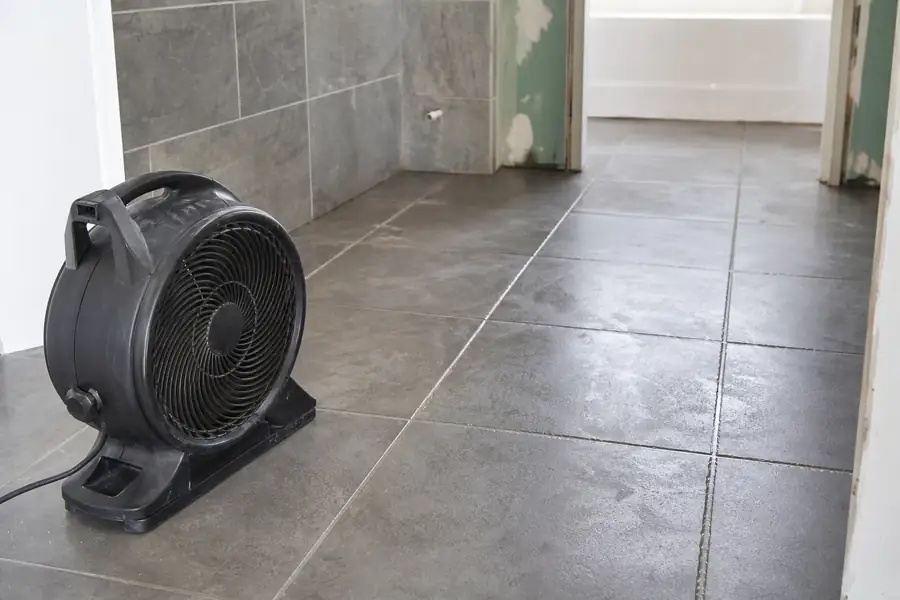
Humidity, cold temperatures, and thick grout joints are the three biggest reasons grout takes longer to dry than expected. High humidity slows evaporation, so a bathroom with poor ventilation or a job done during a humid Gulf Coast summer can add a day or more to every stage. Temperatures below 50 to 60°F slow the chemical set of cement grout, which is why jobs done in an unheated space in winter dry more slowly than the same job in a warm room.
Joint thickness matters too. A wide, deep grout line holds more moisture than a hairline joint, so it simply takes longer for that moisture to work its way out. In a dry climate like Denver, grout can form a dry-looking surface fast while the joint underneath is still curing, which tempts people to seal or use the shower too early.
How to Tell If Grout Is Fully Cured
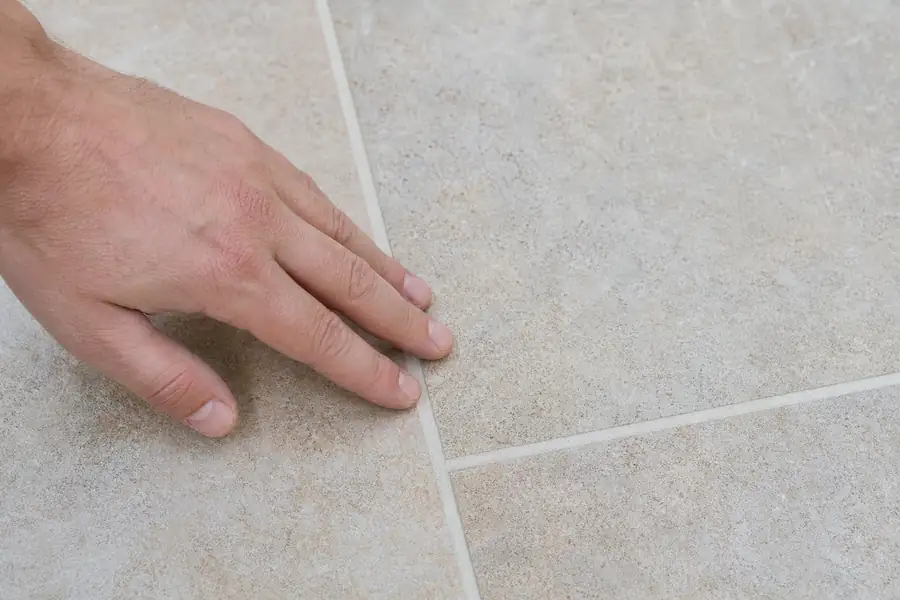
Fully cured grout is uniform in color, feels hard to the touch, and resists a light scratch from a fingernail. Uncured grout often looks darker or blotchy in spots where moisture is still trapped, and it will leave a mark or crumble slightly if you press a fingernail into it.
Not sure when your carpets were last deep cleaned?
Get an exact price online in about two minutes. No phone tag, no surprise fees.
Get My Instant QuoteRun your hand along a few joints in different parts of the room. If some feel cool or slightly damp compared to others, those spots need more time before you seal or expose them to water, even if the rest of the job looks finished.
Grout Drying Time Before Sealing
Grout drying time before sealing and sealer drying time are two separate clocks, and mixing them up is the most common mistake homeowners make. The grout itself needs 48 to 72 hours before it's ready to accept sealer at all. Once applied, most penetrating sealers need another 24 to 72 hours of their own to cure, during which the area should stay dry.
Sealing too early traps moisture under the sealer coat, which can cause a white haze, a cloudy finish, or peeling later. If you're unsure whether a joint is ready, wait the extra day. A reseal is far cheaper than redoing the grout.
What Happens If You Rush Grout Drying?
Rushing grout drying causes cracking, discoloration, crumbling, and trapped moisture that can eventually lead to mold under the tile. Walking on fresh grout too soon disturbs the bond before it sets, leaving hairline cracks that widen over time. Sealing or showering before the joint cures can wash out uncured cement, pull color unevenly, and weaken the sand-cement bond in sanded grout especially.
Once grout has been compromised this way, patching usually looks uneven next to the original joint. The more reliable fix is removing and repacking the affected section rather than sealing over a damaged line.
Grout that's cleaned, sealed, and dried correctly holds up for years, but it's easy to miss early warning signs on your own. Shiny Rhino's background-checked technicians check cure and seal condition as part of every Tile & Grout Cleaning visit, and they can reseal joints that have worn thin without disturbing grout that's still sound. For more on keeping grout lines looking new between visits, see Shiny Rhino's complete guide to cleaning tile and grout.