
Quick answer: Cleaning a carpet at home means vacuuming thoroughly, treating spots before they set, then deep cleaning with baking soda, a vinegar solution, carpet shampoo, or a rental extractor, followed by enough drying time to avoid mold and odor. This routine works fine for upkeep between professional visits.
It will not pull out soil ground into the backing, the gray high-traffic lanes near doorways, or pet odor soaked past the fibers. That's the line between what a homeowner can fix and what needs real heat and pressure.
How Often Carpet Really Needs Cleaning
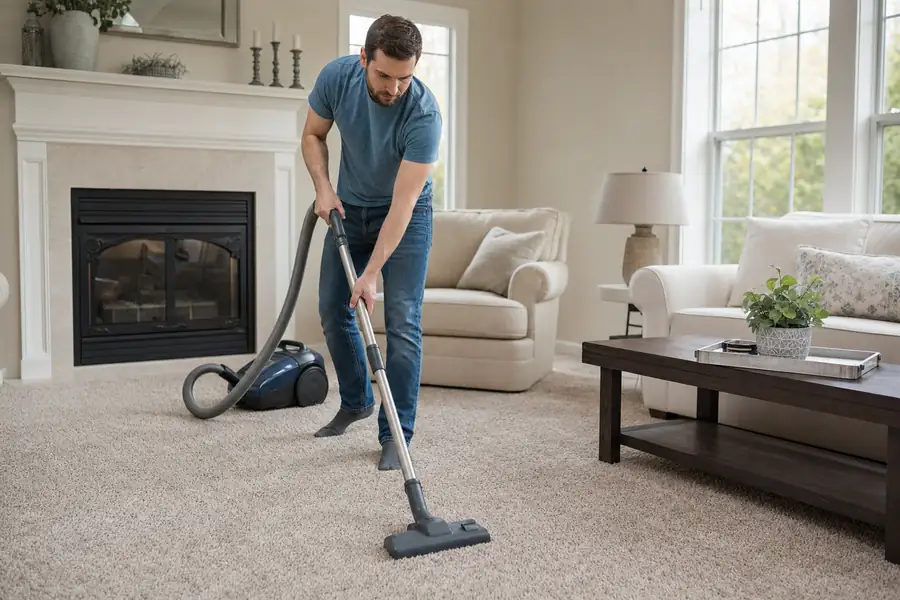
Most homes should have carpet professionally cleaned every 12 to 18 months, with a full vacuum at least once a week in between. Homes with kids, pets, or light-colored carpet often need a deep clean closer to every 6 to 9 months, since soil and oils build up faster than a vacuum alone can lift them.
Daily habits slow that buildup. Shoes at the door and regular vacuuming both help, and small routines like these are covered in this guide to daily carpet care habits.
What You Need Before You Start
A basic kit covers most spills and light soil without specialty equipment: a vacuum with a rotating brush head, white cotton cloths, cool water and mild dish soap, distilled white vinegar, baking soda, a fiber-appropriate carpet shampoo if renting a machine, and a fan or two for drying. Skip colored towels and bleach-based cleaners, since both can transfer dye or strip color from carpet fibers.
Step 1: Vacuum the Right Way
Slow, overlapping passes lift more dirt than fast, single-direction sweeps. Go over each section in both directions, north-south then east-west, with an extra pass over high-traffic areas near doors and hallways. Empty the canister first: a vacuum more than two-thirds full loses suction, so dirt stays put no matter how many passes you make.
Step 2: Spot-Treat Stains First
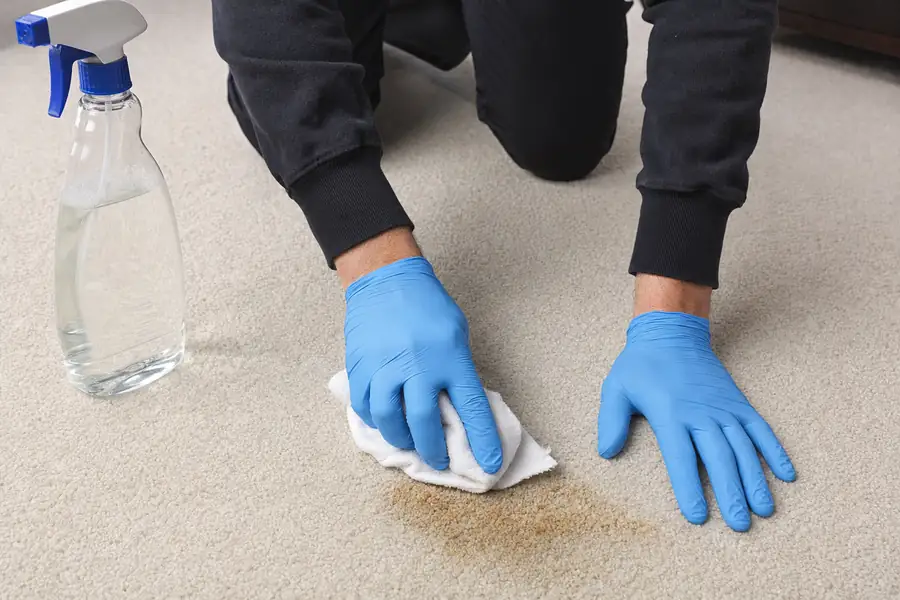
Fresh spots come out easier than old ones, so treat stains before deep cleaning, not after. Blot, never rub, working from the outside of the stain inward so it doesn't spread.
For most food, drink, and mud stains, cool water with a few drops of dish soap works. Tougher marks are covered in this carpet stain removal guide, and a bottle of Shiny Rhino Spot Remover is worth keeping on hand between cleanings.
Step 3: Deep Clean Carpet at Home
Deep cleaning carpet without a truck-mounted machine comes down to four methods, each suited to different soil.
Baking Soda Method
Baking soda absorbs odor and light surface grime with no water involved. Sprinkle it over dry carpet, let it sit at least 30 minutes, then vacuum it up thoroughly.
Vinegar Solution
Equal parts white vinegar and water break down mild stains and neutralize odor-causing bacteria. Spray lightly and blot dry; too much liquid slows drying and risks mold.
Not sure when your carpets were last deep cleaned?
Get an exact price online in about two minutes. No phone tag, no surprise fees.
Get My Instant QuoteCarpet Shampoo
Shampoo adds cleaning agents that lift soil plain water can't, but it needs to be worked in and rinsed out fully or it leaves a residue that attracts more dirt. This is part of why shampooing and steam cleaning give different results, a comparison covered in this steam cleaning versus dry cleaning guide.
Rental Machine
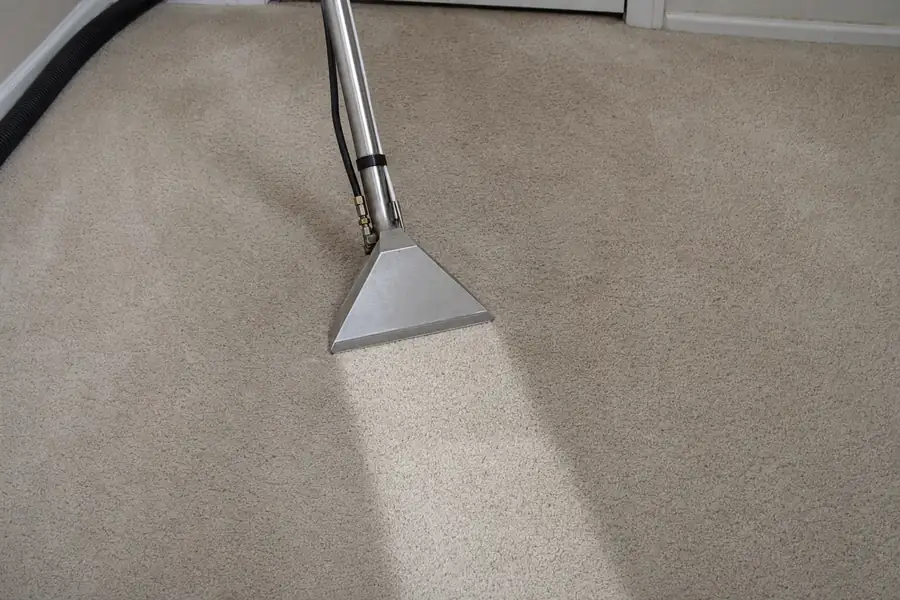
Rental extractors apply water and solution, then pull most back out, but run at lower heat and far less suction than professional equipment. That means more moisture stays trapped in the carpet and pad, slowing drying and inviting mildew. The real differences are laid out in this rental versus professional carpet cleaning comparison.
How to Dry Carpet Fast
Carpet typically dries within 4 to 6 hours after a light cleaning and 12 to 24 hours after a full wet extraction. Open windows and run fans to keep air moving across the carpet, and use an air conditioner or dehumidifier to pull moisture from the room.
Humid cities like Miami can roughly double drying time, raising mold risk, while dry climates like Denver dry carpet faster but sometimes unevenly. Avoid walking on damp carpet or setting furniture back until it's fully dry, since both trap moisture against the backing.
Where DIY Falls Short
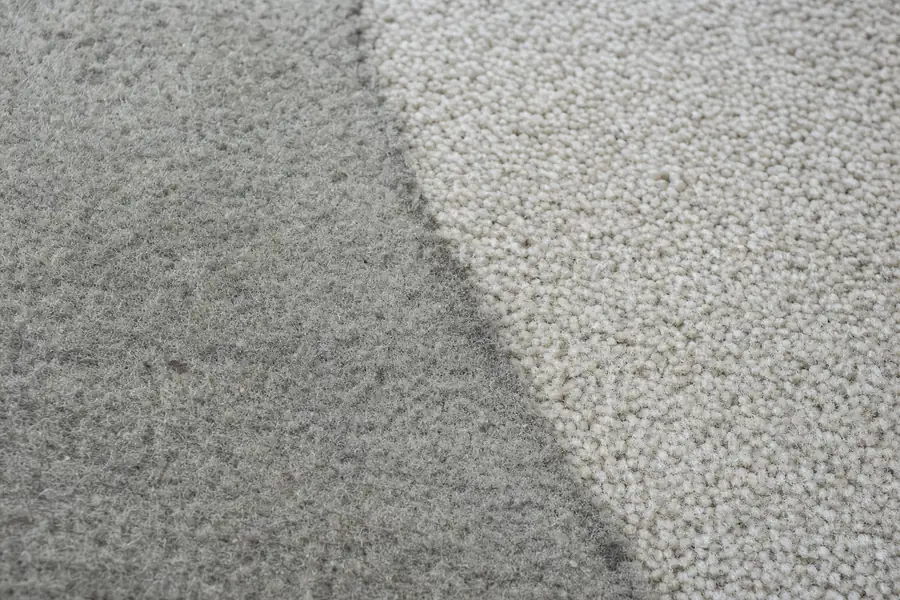
DIY cleaning cannot reach soil that's worked past the fibers into the backing and pad. Vacuums and rental machines clean the surface layer, but embedded dirt, high-traffic graying, and pet odor soaked into the pad all need more heat and suction than a home setup generates.
Pet accidents show this clearly. Surface cleaning masks the smell for a few days, then it returns once humidity rises, because the odor needs to reach where the mess actually settled. An odor neutralizer like Odor Out Plus helps between cleanings, but it's a stopgap, not a fix for odor that's reached the pad.
When Professional Cleaning Is Worth It
Professional cleaning is worth scheduling when carpet looks dull despite regular vacuuming, when pet odor keeps returning, or when it's been over a year since the last deep clean. Shiny Rhino technicians use truck-mounted hot water extraction at roughly 200°F and 400+ PSI, reaching soil and allergens deep in the fibers and pad that home methods never touch.
That's backed by years of experience, trained technicians matched to each fiber type, background checks, and biodegradable products safe around kids and pets. If your carpet needs more than vacuuming and spot treatment can deliver, book a professional carpet cleaning and let a technician pull out what DIY can't reach.