
A shag carpet is a long-pile carpet or rug made from fibers that stand 1.5 to 2 inches or taller, often loosely twisted or left straight so the surface looks shaggy rather than flat. That pile length and low density is what separates shag from standard cut-pile or berber carpet, which keep fibers under an inch and packed tight. Shag has moved from retro statement piece to modern area rug staple, and it needs a different care routine than the carpet in the rest of your house. Here's what actually makes shag carpet, why it hides dirt so well, and how to clean it without wrecking the fibers.
- Shag carpet pile runs 1.5 to 2+ inches, far longer than standard cut-pile or berber carpet.
- Deep pile traps dirt, dust, and pet hair below the surface, so it looks cleaner than it is.
- Beater-bar vacuums tangle and tear shag fibers; use suction-only attachments instead.
- Spills wick downward fast in deep pile, so blot immediately rather than letting liquid sit.
- A carpet rake restores the shag's texture after vacuuming or foot traffic flattens it.
- Professional hot water extraction, run at lower pressure with controlled drying time, is the safest deep clean for high-pile shag.
What Counts as Shag Carpet? (Pile Length and Twist Styles)
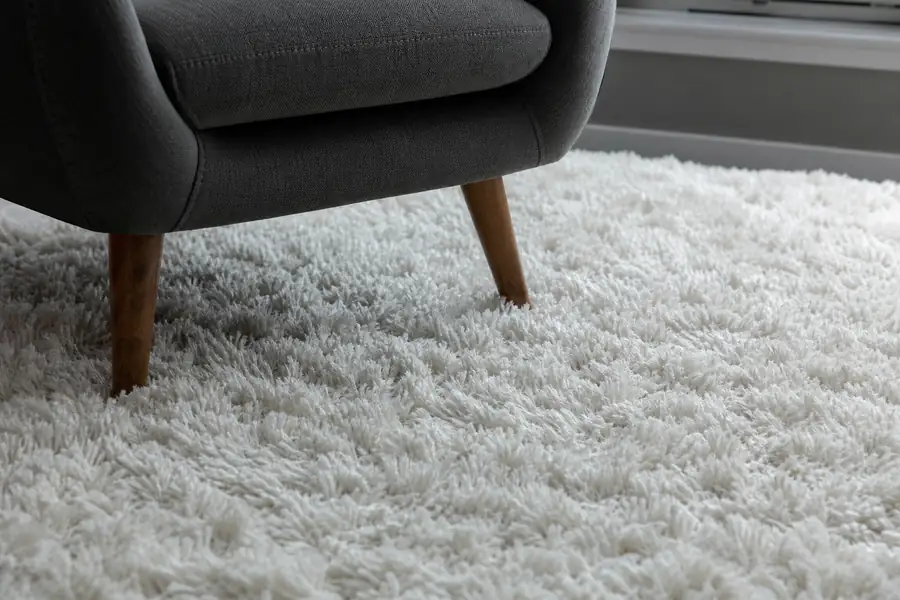
Shag carpet is defined by pile length and construction, not by color or fiber type. Anything with face yarn standing roughly 1.5 inches or taller, loosely attached to the backing so it moves and catches the light, qualifies as shag.
Within that category, twist style changes the look and the care needs. Traditional shag has a loose, open twist that gives it a tousled texture. Frieze carpet uses a tighter curl that resists footprints and matting better than classic shag. Flokati, a Greek wool shag, runs even longer and shaggier than most. Modern shag rugs are usually polyester, nylon, or wool, while vintage shag from the 1960s and 1970s was often acrylic, which sheds and yellows more with age.
The Retro-to-Modern Shag Carpet Comeback
Shag carpet was a design staple through the 1960s and 1970s, then fell out of favor in the 1980s and 1990s as flatter, easier-to-vacuum carpet took over. It came back strong as an area rug rather than wall-to-wall flooring, which solves the biggest old complaint: you can pull a shag rug up and shake it out instead of fighting a room-sized installation.
Modern manufacturing also fixed some of shag's old problems. Today's synthetic fibers shed less, resist stains better, and hold their twist longer than the acrylic shag of decades past, which is part of why it's showing up again in bedrooms, nurseries, and living rooms as a texture layer rather than a full-room commitment.
Why Shag Carpet Hides Dirt and Eats Vacuums
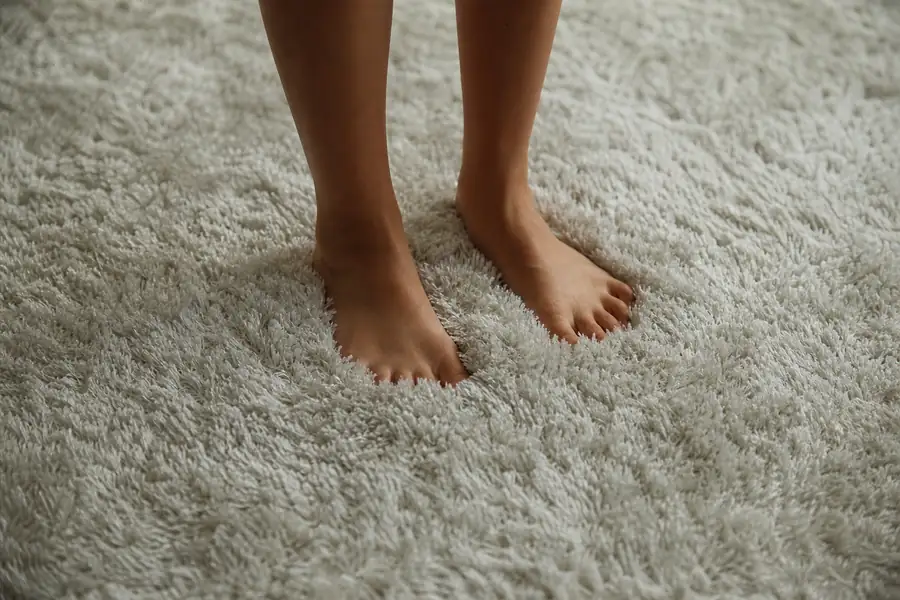
Shag carpet hides dirt because its long fibers fall over and cover debris that settles near the base, so a shag rug can look clean while holding several times the dirt, dust, and dust mite allergen of a low-pile carpet the same size. That depth is also exactly what damages standard vacuums.
A rotating beater bar, built to agitate short, tight carpet fibers, grabs long shag strands instead of just brushing past them. The result is pulled stitches, snagged loops, and fibers yanked loose from the backing. Over time that beater-bar damage shows up as bald patches and loose threads scattered across the rug.
How to Vacuum Shag Carpet Safely
The safe way to vacuum shag carpet is suction-only, with the beater bar turned off or removed entirely. Most upright vacuums have a switch or a bare-floor setting that stops the brush roll from spinning; use that setting, or switch to a canister or handheld vacuum with a wide floor attachment.
Not sure when your carpets were last deep cleaned?
Get an exact price online in about two minutes. No phone tag, no surprise fees.
Get My Instant QuoteWork from above rather than dragging the nozzle sideways through the pile. Lower the attachment straight onto the rug, let the suction pull dirt up, then lift and move to the next section. Go slowly: a fast pass over 2-inch pile barely touches the dirt sitting near the backing. Vacuum shag once or twice a week in normal traffic areas, more often if pets shed onto it.
Cleaning and Grooming Shag Carpet
Shake-Out for Small Pieces
Small shag rugs and runners benefit from an old-fashioned shake-out, which a vacuum alone can't match. Take the rug outside, hang it over a railing or fence, and beat or shake it to dislodge dust and debris buried deep in the pile before vacuuming the rest.
Blot Spills Immediately
Blot, don't rub, pressing a clean white towel straight down into the pile. Deep pile wicks liquid downward fast, pulling spills toward the backing where they're harder to reach, so treat stains the moment they happen rather than waiting until later. Shiny Rhino Spot Remover, dabbed on and blotted out, handles most fresh spots without leaving a residue that attracts more dirt.
Carpet Rake Grooming
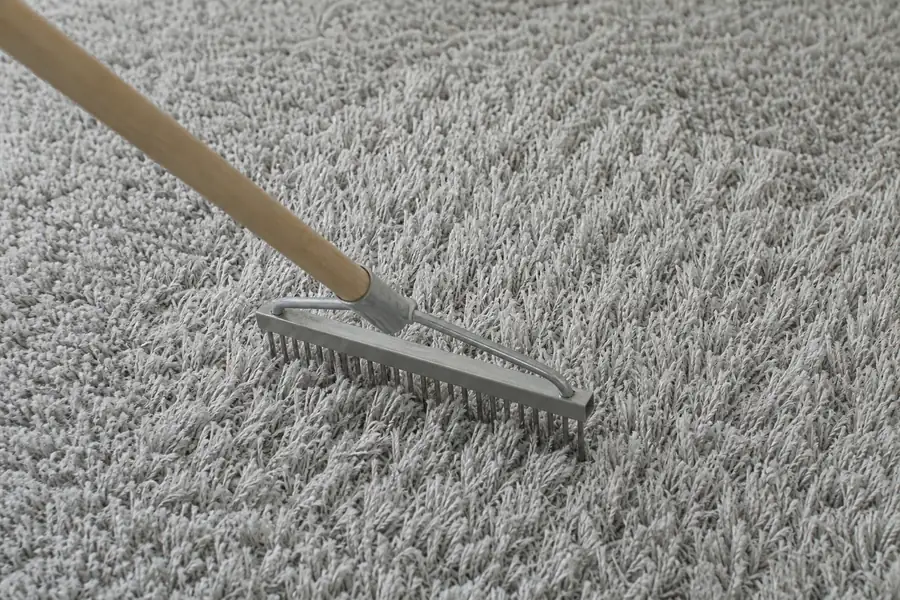
A carpet rake, a wide-toothed comb made for deep pile, lifts matted fibers and resets their direction after vacuuming or heavy foot traffic. Raking in one consistent direction keeps the shag looking even and stops traffic lanes from becoming permanent flat spots.
How Professionals Deep Clean High-Pile Shag Carpet
Professional cleaners deep clean high-pile shag with truck-mounted hot water extraction, but they run lower water volume and pressure than they would on a standard cut-pile carpet to avoid soaking the dense fiber base. Shiny Rhino's carpet cleaning service combs the pile before and after extraction, which lifts trapped dirt and resets fiber direction so the rug doesn't dry matted.
High pile holds more moisture than flat carpet, so shag typically needs longer than the one to two days most carpet takes to dry, especially in humid regions like Florida where airflow alone isn't enough to pull moisture out of a deep pile. That's also why DIY rental machines struggle with shag: they can't match the suction needed to pull water back out of 2-inch fiber, and leftover moisture sitting against the backing leads to mildew and a sour smell.