
Carpet holds onto smells the way it holds onto stains: deep in the fibers and in the padding underneath, not just on the surface. Effective carpet odor removal means matching the method to the actual cause, whether that is trapped moisture, old smoke, spilled food, or something happening below the surface entirely. If your problem is pet urine specifically, the fix is different enough that we cover it on its own in our guide on how to get rid of pet odor in carpet. Everything else, from musty basements to grease-soaked kitchen rugs, is covered here.
- Find the source first; masking sprays cover a smell, they don't remove it.
- A musty carpet smell almost always means trapped moisture, not dirt.
- Baking soda needs hours of dwell time on the carpet, not a quick sprinkle.
- Enzyme cleaners break down the odor source permanently; sprays only cover it up.
- Smell that returns right after cleaning often points to a contaminated pad underneath.
Find the Source Before You Treat the Smell
Carpet odor removal only works if you're treating the actual cause, not just the room it happens to be in. Walk the space and note where the smell is strongest: near exterior walls or windows usually points to moisture, near a fireplace or a smoking area points to smoke residue, and near the kitchen usually means grease and food odor that migrated onto an adjoining rug or hallway carpet.
Press a clean white cloth into the carpet in the suspect area and smell it directly. If the cloth picks up dampness along with the odor, you're dealing with a moisture problem, not a surface dirt problem, and that changes the whole approach. For a broader look at issues hiding in carpet beyond odor, our post on hidden spots that need deep cleaning is worth a read.
Musty and Mildew Smells (Moisture Is the Real Problem)
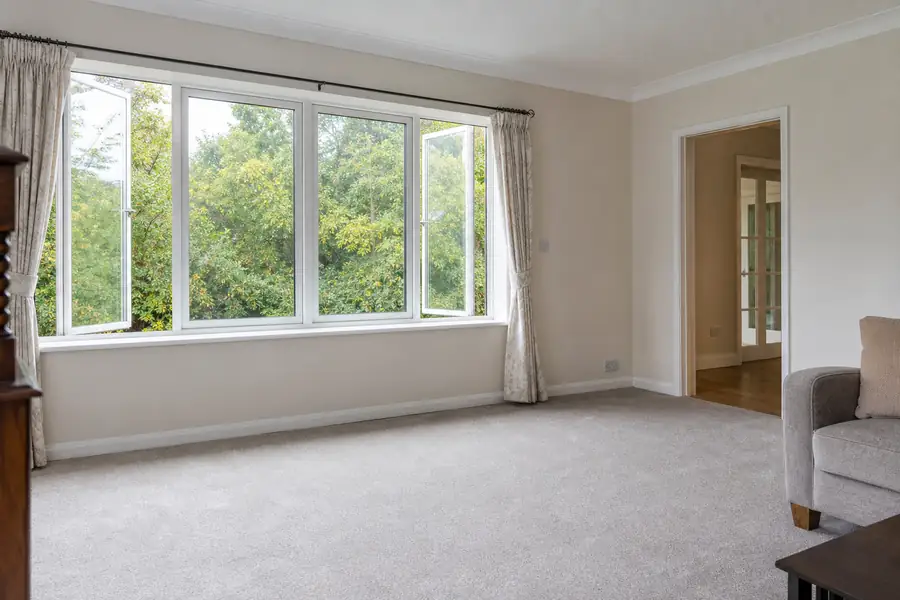
A musty carpet smell is caused by mildew, a mold-related growth that thrives on damp organic material, meaning the fix has to address the moisture source, not just the smell sitting on top of it. Common causes include high indoor humidity, a spill that wasn't dried fully, a leaky window, or water that seeped in during a storm.
Homes in humid climates deal with this more often. In Miami, for example, the combination of heat and humidity keeps carpet fibers and padding damp longer after any spill or cleaning, which gives mildew more time to take hold; homeowners there often need professional cleaning service in Florida on a tighter schedule to stay ahead of it. Drier climates like Denver have the opposite issue: less ambient humidity, but dust and static that can trap odor in fibers, and residents booking service through our Colorado location often see faster drying times as a result. Either way, the fix for musty smell is getting the carpet and pad fully dry, then treating what's left behind.
Smoke Odors
Smoke odor clings to carpet fibers because smoke particles are oily and settle deep into the pile, then work their way into the padding below over time. A quick vacuum or a fabric spray only reaches the top layer of fibers, which is why smoke smell tends to come right back within a day or two of a DIY attempt.
Baking soda treatment (covered in detail below) handles light, recent smoke odor. Heavier or long-term smoke smell, especially from years of indoor smoking, usually needs professional hot water extraction to fully break the odor down at the fiber and pad level.
Cooking Grease and Food Smells
Grease and food odor bind to carpet fibers on a molecular level, which means plain water or a general-purpose spray won't lift them; you need a cleaner formulated to break down oils. A pH-balanced cleaning solution cuts grease without damaging fiber dye, while plain water or vinegar solutions often just spread the grease around.
Kitchen-adjacent carpet and hallway runners near dining areas are the usual culprits. If the smell is isolated to a small area, a spot treatment with a dedicated degreaser works; if it's spread through a whole room, that's a sign the carpet needs a full deep clean rather than another spot fix.
Not sure when your carpets were last deep cleaned?
Get an exact price online in about two minutes. No phone tag, no surprise fees.
Get My Instant QuoteThe Baking Soda Method Done Right (Hours of Dwell, Not Minutes)
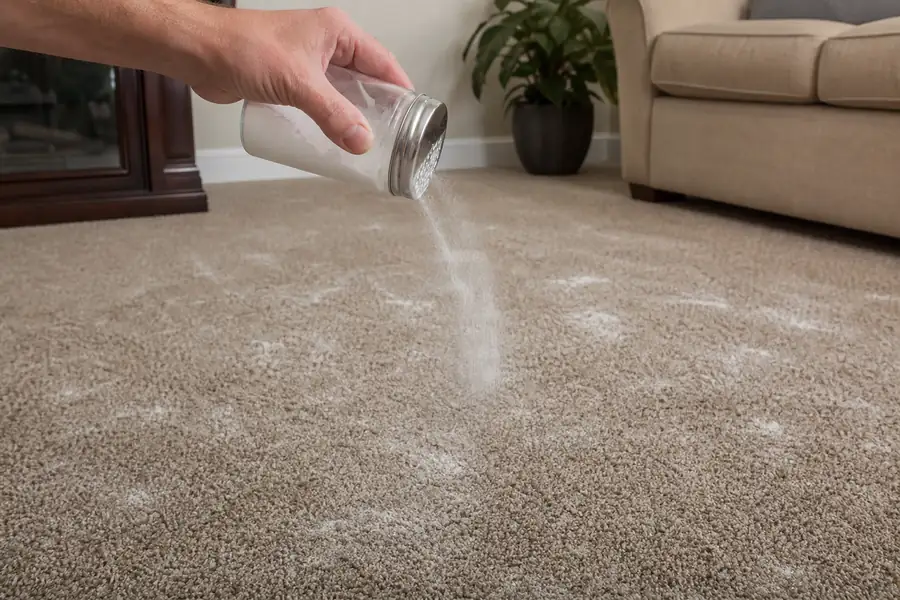
Baking soda absorbs odor through a chemical process that takes hours, not the fifteen minutes most people give it before vacuuming it back up. To get smell out of carpet with baking soda, sprinkle a generous, even layer over the entire affected area, work it lightly into the pile with a soft broom, and let it sit undisturbed for at least six hours, ideally overnight.
Vacuum slowly in multiple passes once the dwell time is up; a single fast pass leaves baking soda residue behind and misses the odor it hasn't fully absorbed yet. This method works well on light, surface-level odor. It won't reach smell trapped in the pad, which needs a different fix covered further down.
Enzyme Cleaners vs Masking Sprays
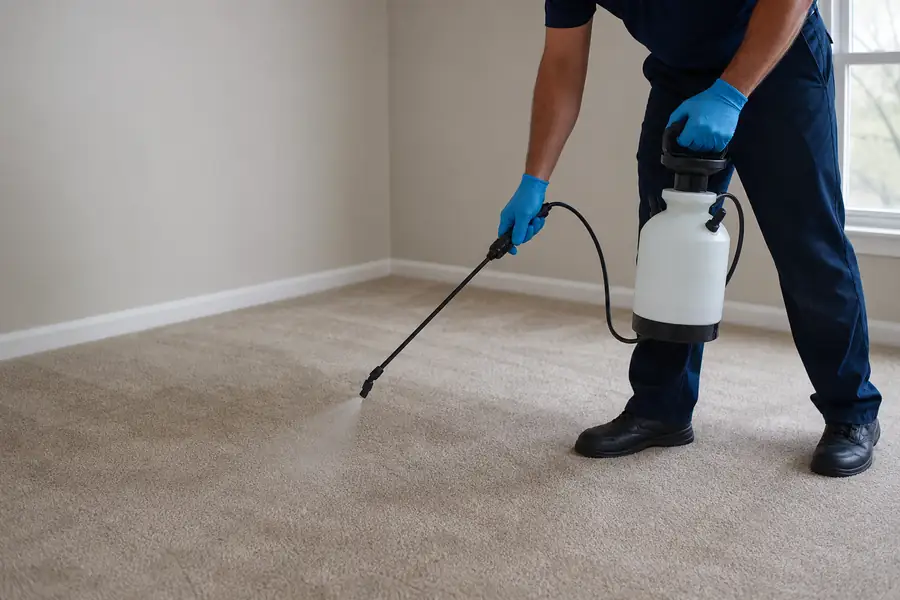
Enzyme cleaners remove odor permanently because they contain live bacteria or enzymes that digest the organic matter causing the smell, whether that's food residue, mildew, or old spills; masking sprays just add a stronger scent on top and fade within hours. Once the enzymes finish breaking down the source material, the odor doesn't come back the way it does with a fragrance spray.
Shiny Rhino technicians often recommend an enzyme-based product like Odor Out Plus for maintenance between professional cleanings, since it targets the actual odor source instead of layering scent over it. Reach for a masking spray only as a short-term fix before guests arrive, not as the actual solution.
When the Smell Lives Under the Carpet (Pad Contamination) and What Pros Do
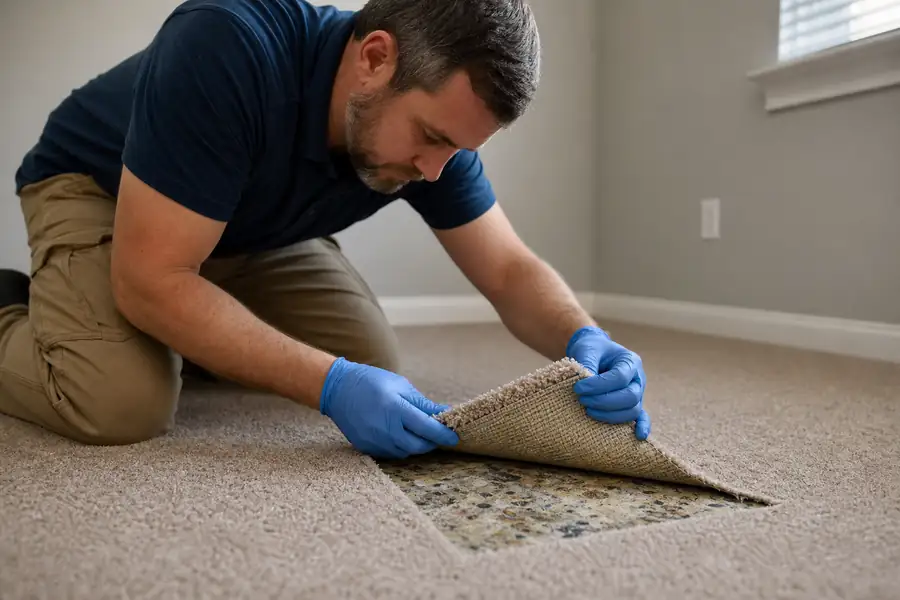
Carpet smell that keeps returning after cleaning usually means the padding underneath, not the carpet itself, is holding the odor. Padding absorbs old spills, pet accidents, and moisture over years, acting like a sponge that surface cleaning simply can't reach.
Shiny Rhino technicians check for this with a moisture meter and, if needed, pull back a section of carpet to inspect the pad directly. Truck-mounted hot water extraction running at roughly 200°F and 400+ PSI treats deep-set odor far more effectively than any portable or rental machine, and in cases where the pad itself is saturated, replacing that section of pad is the only permanent fix. If you're ready to deal with a smell that hasn't budged on its own, you can book deodorizing service through our carpet cleaning service and let a trained technician handle it properly.
Shiny Rhino has spent years training technicians on fiber identification, safe treatment methods, and IICRC-certified cleaning standards, and every technician is background checked before ever stepping into a customer's home.