
Quick answer: Homeowners insurance usually covers water damage that happens suddenly and by accident, such as a burst pipe or a washing machine hose that fails overnight. It typically does not cover water damage from gradual leaks, poor maintenance, or flooding, since those situations usually need separate coverage or fall under a standard exclusion.
Insurers draw that line because sudden, unpredictable events are treated differently from damage that built up over time or came from outside the home. Knowing which category your situation falls into before you file a water damage insurance claim can save you time, and sometimes save the claim itself.
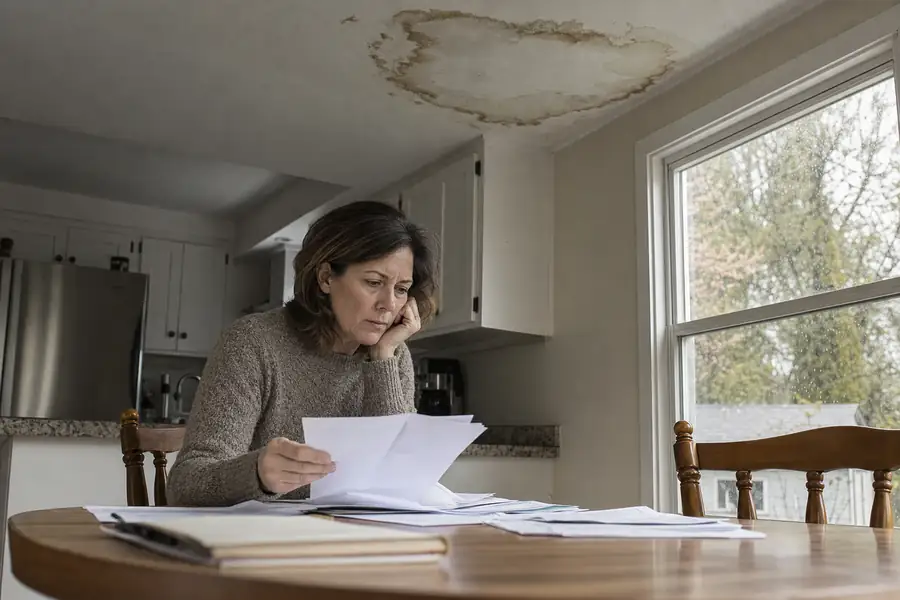
Does Homeowners Insurance Cover Water Damage? The Short Answer
Most standard homeowners policies cover water damage when the cause is sudden and accidental, meaning something failed without warning rather than wearing down over time. A pipe that bursts overnight, a dishwasher hose that blows, or a storm that tears a hole in your roof typically qualify. What is not covered matters just as much: damage that built up gradually, or water that entered from outside the home, usually falls outside a standard policy.
Every policy is worded differently, and insurers apply their own limits and exclusions. Reading your declarations page, or calling your agent directly, is the only way to know exactly what water damage is covered under your policy. Our FAQ page answers common questions if you are trying to figure out next steps after a leak.
What Water Damage Is Typically Covered
Homeowners insurance typically covers water damage when the source is a sudden, identifiable failure inside the home. Adjusters look for a single triggering event rather than a pattern of wear.
Burst Pipes
A burst pipe is one of the most commonly covered types of water damage. If a supply line bursts from freezing, a pressure spike, or a fitting failure, the resulting damage to floors and drywall is usually covered up to your policy limits. Afterward, warped boards often need professional hardwood floor cleaning and drying to prevent cupping and mold, separate from what insurance pays toward repairs. Insurers still expect reasonable maintenance, so a pipe that had been leaking for months before it finally burst may get more scrutiny.
Appliance Failure
Appliance failure is covered when the appliance itself malfunctions suddenly, such as a washing machine hose that ruptures or a dishwasher that overflows from a broken valve. Water that soaks carpet or padding underneath usually falls within the claim, and many homeowners schedule Carpet Cleaning once the area has fully dried to remove residual moisture and odor. Coverage usually does not extend to replacing the appliance itself unless your policy has that add-on.
Roof Leaks From Storms
Roof leaks caused by storm damage, like wind-driven rain finding its way through missing shingles, are typically covered as part of a wind or hail claim. The insurer usually covers both the roof repair and the interior water damage that resulted from the breach. A slow roof leak that has been dripping for a year before anyone noticed is a different story and often gets denied as a maintenance issue.
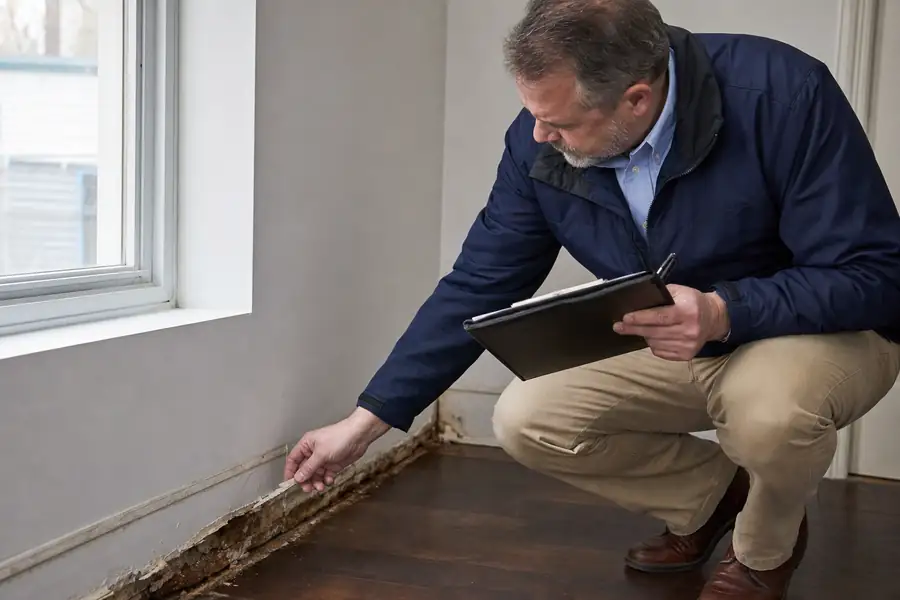
What Water Damage Is Not Covered by Homeowners Insurance
Standard homeowners insurance draws a hard line around three situations: flooding, gradual leaks, and sewer backups. Each requires its own coverage or endorsement to be included.
Flood: A Separate Policy
Flood damage is not covered by a standard homeowners policy, full stop. Water that rises from outside the home, whether from an overflowing river, storm surge, or heavy rain pooling against the foundation, requires a separate flood insurance policy, typically through the National Flood Insurance Program or a private flood carrier. Homeowners in coastal or low-lying areas often carry both policies for exactly this reason.
Not sure when your carpets were last deep cleaned?
Get an exact price online in about two minutes. No phone tag, no surprise fees.
Get My Instant QuoteGradual Leaks and Neglect
Gradual leaks and long-term neglect are the most common reason a water damage insurance claim gets denied. If a supply line under a sink has been seeping slowly for months, or shower grout has failed and let water into the subfloor over time, insurers treat that as a maintenance failure rather than a covered loss. The distinction usually comes down to how long the water was present and whether a homeowner reasonably should have noticed it.
Sewer Backup Without a Rider
Sewer and drain backup is excluded on most standard policies unless you add a sewer backup rider, a low-cost endorsement many insurers offer. Without it, water that backs up through a floor drain or toilet during heavy rain is typically not covered, even though the cleanup can be extensive and often calls for specialized equipment.
Covered vs. Not Covered: Water Damage at a Glance
The table below summarizes how insurers typically treat common water damage scenarios, though your specific policy language always governs the final decision.
| Cause | Typically Covered? | Why |
|---|---|---|
| Burst pipe | Yes | Sudden, accidental failure |
| Washing machine hose failure | Yes | Sudden appliance malfunction |
| Storm-driven roof leak | Yes | Tied to a covered wind/hail claim |
| Slow leak under a sink (months) | No | Treated as neglect |
| Flooding from heavy rain or rivers | No | Requires a separate flood policy |
| Sewer or drain backup | No, without rider | Excluded unless endorsed |
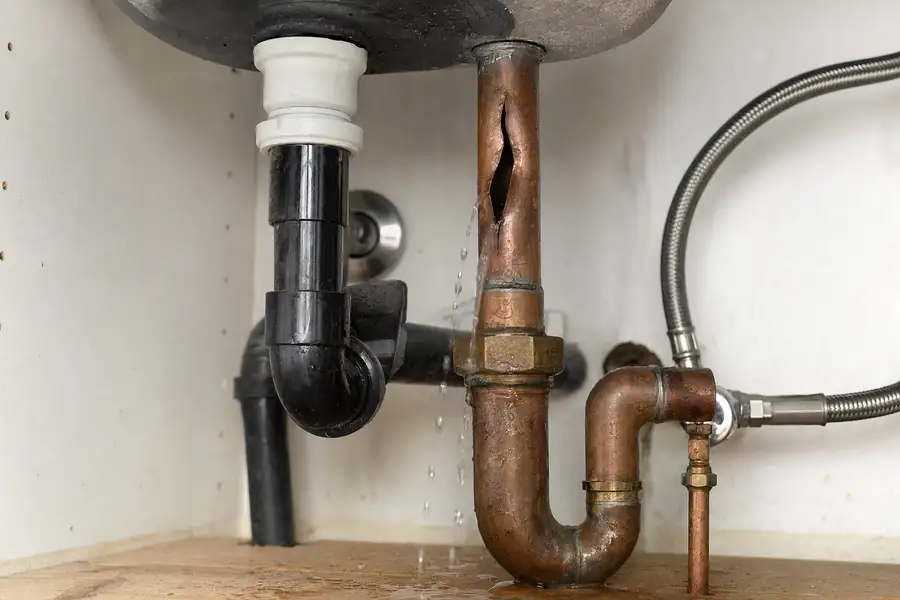
How to File a Water Damage Insurance Claim
Filing a water damage insurance claim follows a fairly consistent process across insurers, even though timelines and forms vary.
- Stop the water source and make the area safe, shutting off the main valve or power if needed.
- Photograph and video the damage before moving or discarding anything.
- Call your insurer to open the claim and get your claim number.
- Start mitigation: extract standing water and run fans or dehumidifiers to limit further loss.
- Get a written repair estimate from a licensed contractor or restoration company.
- Meet the adjuster at the property and walk through the damage together.
Your Duty to Mitigate Water Damage (and Keep Receipts)
Every standard homeowners policy includes a duty to mitigate, meaning you are required to take reasonable steps to prevent the damage from getting worse once you know about it. Leaving standing water for days, or ignoring a wet ceiling while waiting on the adjuster, can give the insurer grounds to reduce or deny the claim.
Keep every receipt tied to mitigation: fan and dehumidifier rentals, water extraction, and any emergency tarping. Insurers generally reimburse these reasonable costs as part of the claim, separate from repair estimates. Standing water also drives up humidity fast, which affects indoor air quality in ways similar to what builds up in dirty upholstery, so drying the space out quickly protects your health along with your claim.
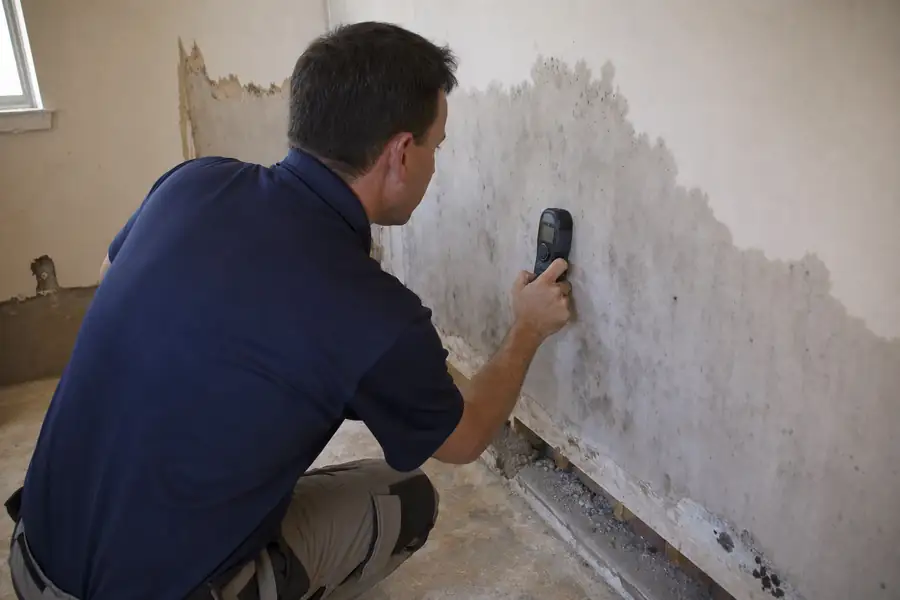
How Professional Documentation Helps Insurance Adjusters
Professional documentation gives an adjuster the specific readings and records needed to approve a claim faster. A certified restoration company logs moisture content in walls and flooring with a meter, photographs every affected room, and records drying progress day by day, evidence that is harder to dispute than a homeowner's own notes.
Shiny Rhino technicians who respond to water damage calls are trained, background-checked, and follow IICRC-certified restoration standards for documenting affected materials, water categories, and drying timelines. That paperwork becomes part of the claim file your insurer reviews. If you're dealing with an active leak or flooding, Water Damage Restoration is available 24/7, and most visits start with a free assessment of the affected area so you have a clearer picture of scope before repairs begin.