
Quick answer: Renters insurance covers your personal belongings when a covered water event damages them, such as a burst pipe or an overflow from the unit above. It does not cover the building itself, since repairs to floors, walls, and plumbing fall under your landlord's own insurance policy.
That split trips up a lot of renters until they actually need to file a claim. Knowing where your coverage stops and your landlord's starts can save you a confusing scramble between two insurance companies during an already stressful week.
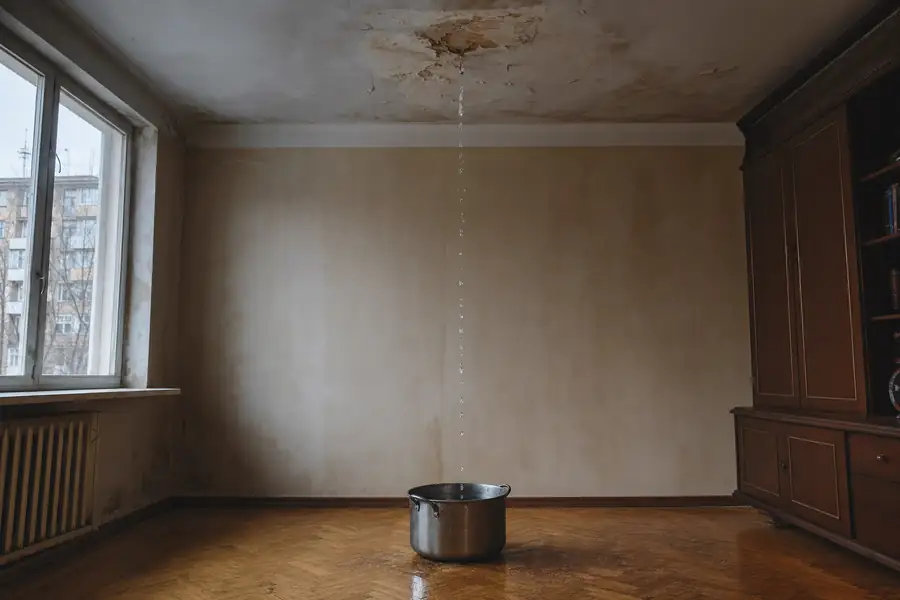
The renter vs. landlord responsibility split
Your renters insurance policy protects your belongings and your liability, not the apartment's walls, flooring, or pipes. The landlord's building insurance (sometimes called a hazard or property policy) covers the structure itself: drywall, subfloor, cabinets, and the plumbing that failed in the first place.
Think of it as two separate contracts sitting side by side. If a pipe bursts inside your ceiling, the landlord's policy pays to fix the ceiling and the pipe. Your renters policy pays to replace the couch, mattress, or electronics that got soaked underneath it.
What renters insurance typically covers
Most standard renters insurance policies cover sudden, accidental water damage: a burst supply line, a washing machine hose that fails, or an overflow from the unit above yours. This kind of renters insurance water leak claim is one of the most common reasons renters file at all.
Coverage usually applies to:
- Sudden pipe bursts or appliance hose failures inside your unit
- Overflow or a leak that travels down from a neighbor's apartment
- Water damage from firefighting efforts during a fire
- Accidental discharge from a malfunctioning water heater
Rugs, furniture, and electronics are the items renters lose the most sleep over, and a soaked area rug often needs professional extraction and drying fast, before mold sets in, rather than a simple replacement.
What renters insurance does not cover
Renters insurance does not cover flood damage, meaning water that enters from outside the building such as storm surge, heavy rain pooling against a foundation, or a rising river. Flood coverage requires a separate flood insurance policy, which most renters never carry.
It also excludes damage from neglect or slow, gradual leaks. If a supply line has been dripping under a sink for months and mold builds up in the cabinet, most insurers treat that as a maintenance failure rather than a sudden accident, and they will deny the claim.
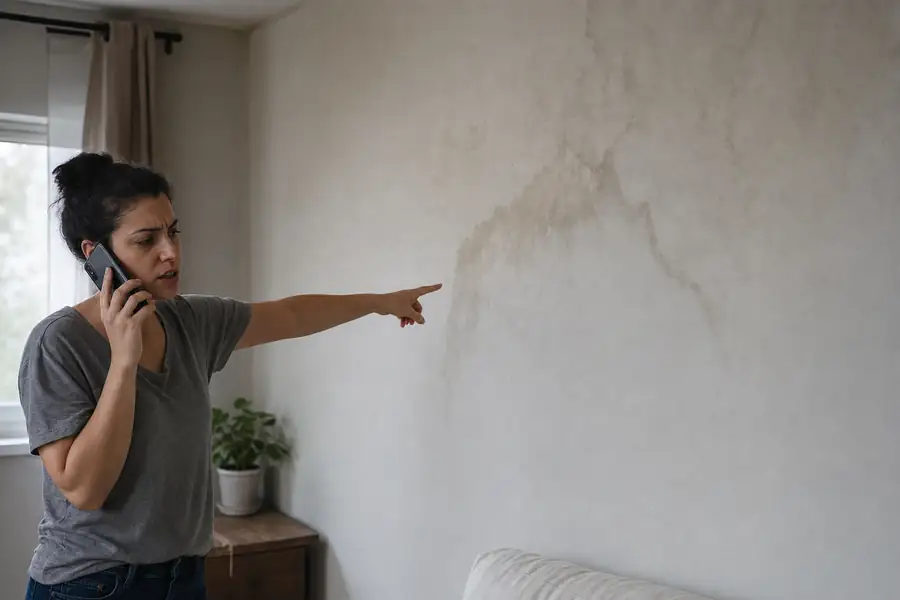
Loss-of-use coverage while repairs happen
Loss-of-use coverage, also called Additional Living Expenses (ALE), pays for a hotel room, temporary rental, and extra meal costs if water damage makes your apartment unlivable during repairs. Most standard renters policies include this automatically, up to a set dollar limit or time period.
Not sure when your carpets were last deep cleaned?
Get an exact price online in about two minutes. No phone tag, no surprise fees.
Get My Instant QuoteThis matters most after a serious leak or a burst pipe that soaks flooring and drywall, since drying and rebuilding can take several days to a couple of weeks depending on how much water got in and how humid the area is.
What if you caused the water damage (liability)
If you caused the leak, personal liability coverage inside your renters policy typically pays for damage you accidentally caused to the building or to a neighbor's belongings. Leaving a bathtub running or a washing machine hose that fails while you're at work are common examples insurers treat as accidental, not negligent.
Liability coverage is often the part of renters insurance that saves tenants the most money, since a single incident that floods the unit below can run into thousands of dollars in repairs and replacement furniture for someone else.
How to document and file a renters insurance claim
Document the damage before you touch anything: photograph standing water, soaked carpet or rugs, and any items you believe are ruined, then keep those photos along with a written list of damaged belongings and their approximate value.
- Photograph the source of the leak and the full extent of the water
- Notify your landlord immediately, in writing if possible
- Call your renters insurance company to open a claim
- Keep receipts for any temporary lodging or emergency supplies
- Avoid throwing out damaged items until the adjuster says it's fine
Most insurers want a claim opened within a few days of the incident. If you're unsure what your specific policy covers, your insurer's FAQ page or agent can walk through the details of your plan before you file.
Who handles the cleanup, and who pays
The landlord's insurance typically pays for structural drying, mold remediation, and repairs to floors and walls, while your renters policy pays to clean or replace your personal belongings, including carpet, furniture, and rugs damaged in the same event.
In practice, landlords usually bring in a restoration crew for the structure, and tenants often need their own cleanup for soft goods like carpet and upholstery. A professional carpet cleaner uses truck-mounted hot water extraction that pulls far more moisture out of soaked fibers than a rented machine ever will, which matters when mold can start forming within 24 to 48 hours of a leak; a good comparison of the two approaches is covered in this rental vs. professional carpet cleaning guide.
Shiny Rhino's water damage restoration team is available 24/7 and offers a free water-damage assessment, which helps sort out what's salvageable in your unit while your claim is still being processed.