
A burst pipe or an overflowing washing machine is stressful enough without fighting your insurer over the bill afterward. Most denied or underpaid water damage claims come down to two things: paperwork that's too thin, and timing that works against the homeowner instead of for them. Knowing how to get insurance to pay for water damage means understanding what your policy actually covers, documenting the loss correctly, and reporting it before the facts get fuzzy. These water damage insurance claim tips won't guarantee a payout, no one honestly can, but they put the odds squarely in your favor.
- Read your policy's "sudden and accidental" language before a loss happens, not after.
- Stop further damage immediately and save every receipt tied to mitigation.
- Photograph and inventory everything before cleanup starts or items get discarded.
- Report the claim within a day or two and describe the cause factually, not as a guess.
- Professional moisture readings give adjusters objective proof, not just photos.
- If a claim is underpaid or denied, you can request a supplement, file an appeal, or hire a public adjuster.
Know Your Policy Before You Need It
Most homeowners policies pay for water damage that is sudden and accidental, meaning the loss happened quickly and without warning, such as a burst supply line, a failed water heater, or an overflowing appliance. Gradual damage, like a slow leak behind a wall that built up over months, is usually excluded because insurers treat it as a maintenance issue the homeowner should have caught sooner.
Flood damage from rising groundwater or storm surge isn't covered by a standard homeowners policy at all; that requires separate flood insurance. Check your declarations page for water damage sublimits and mold caps, since many policies cap mold remediation at a few thousand dollars even when the underlying water loss is fully covered. Our guide on whether homeowners insurance covers water damage breaks these distinctions down policy by policy.
Your Duty to Mitigate Immediately (and Keep Every Receipt)
Insurance policies require you to take reasonable steps to prevent further damage once you discover a leak or flood, and failing to do so can shrink or sink your claim. Shut off the water source, remove standing water, and run fans or a dehumidifier while you wait for help.
Keep every receipt tied to mitigation: fans, a wet vac rental, a hotel stay if the home is unlivable, even bottled water if the tap is contaminated. Insurers reimburse reasonable mitigation costs, but only with proof attached. Our breakdown of what to do after water damage covers the first 24 hours step by step.

Document Before You Clean Up (Photos, Video, Inventory)
Photograph and film every affected area before you move furniture, pull up flooring, or toss ruined items. Wide shots establish the extent of the loss; close shots of water lines, swollen baseboards, and stained drywall give adjusters the detail they're actually looking for.
Build a written inventory of damaged belongings with approximate purchase dates and replacement costs. Note the water level on walls and furniture, since that height helps establish how much standing water was involved and for how long. For a sense of what adjusters expect to find, our article on what water damage actually looks like walks through the visual markers room by room.
Report the Claim Fast and Describe the Cause Precisely (Sudden vs Gradual Wording Matters)
Report a water loss to your insurer within a day or two of discovering it, and describe the cause using the same facts you'd give a technician, not a guess. The words you choose matter: "the pipe burst this morning" points to a sudden, covered loss, while "it's probably been leaking for a while" can push that same claim into a gradual-damage exclusion.
| Cause | Typical Classification | Why It Matters |
|---|---|---|
| Burst supply line | Sudden and accidental | Usually covered |
| Water heater failure | Sudden and accidental | Usually covered |
| Overflowing washing machine | Sudden and accidental | Usually covered |
| Slow pipe leak inside a wall | Gradual or wear | Often excluded |
| Long-term roof leak | Gradual or neglect | Often excluded |
| Sump pump failure from neglect | Gradual or neglect | Often excluded |
Prepare for the Adjuster Visit
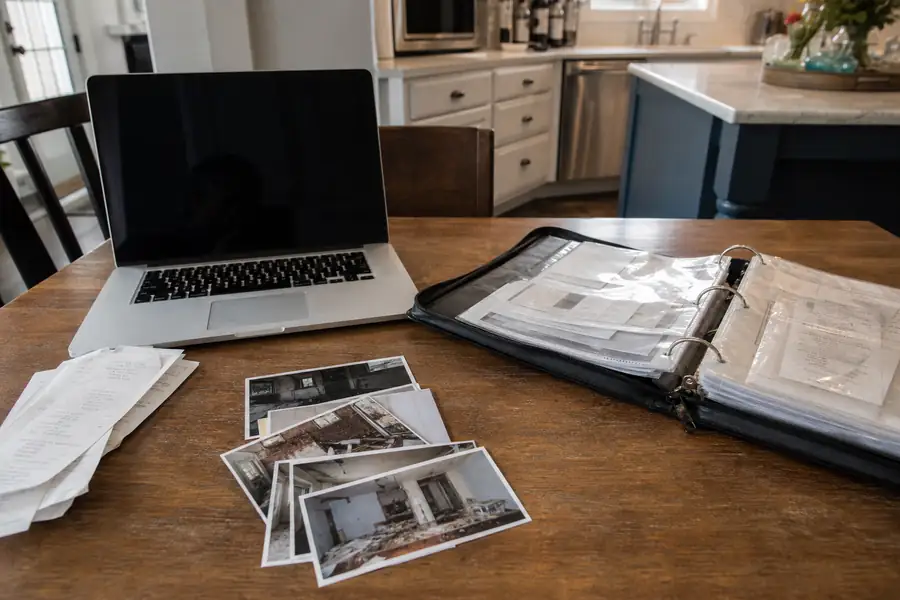
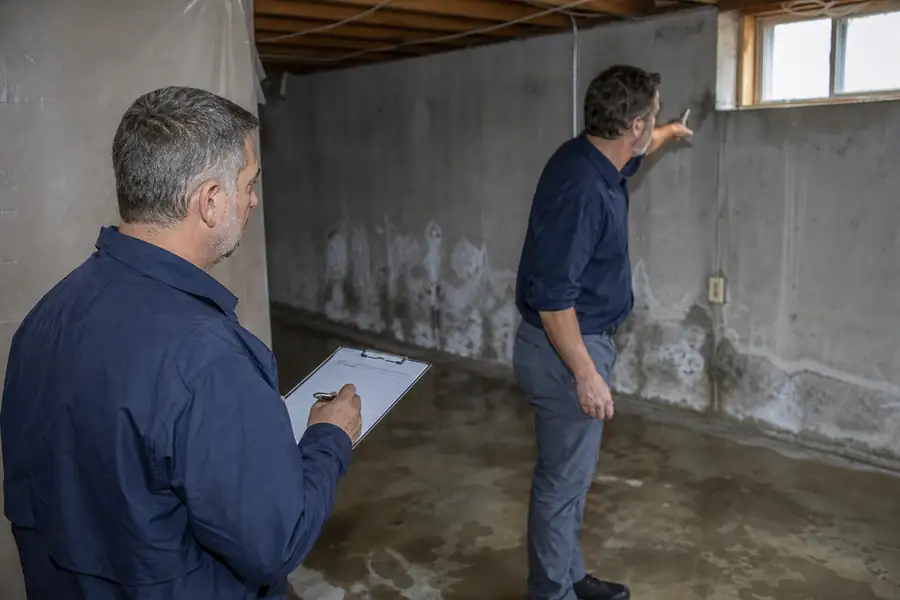
Walk into the adjuster visit with your documentation organized: photos, video, the written inventory, mitigation receipts, your policy number, and a short written timeline of what happened and when. Adjusters move faster and miss less damage when a homeowner points them directly to the affected areas instead of making them hunt for it.
Not sure when your carpets were last deep cleaned?
Get an exact price online in about two minutes. No phone tag, no surprise fees.
Get My Instant QuoteAnswer questions factually and avoid speculating about the cause if you aren't certain; it's fine to say you don't know. If you want a second set of answers before the visit, our FAQ page covers the questions homeowners ask most often about coverage and claims.
How Professional Moisture Documentation Strengthens a Claim
Professional moisture documentation turns "the carpet feels damp" into a dated, measurable record an adjuster can't easily dispute. IICRC-trained technicians use moisture meters, thermal imaging cameras, and psychrometric readings (temperature, humidity, and grains of moisture per pound of air) to log exactly how much water intruded and how it's drying over time.
Shiny Rhino technicians log these readings daily during a restoration job and provide a written report that can go straight into your claim file alongside your own photos. That paper trail often moves a claim through faster because it gives the adjuster objective numbers instead of relying on visual judgment alone. A free assessment that includes this kind of documentation support can be requested through Shiny Rhino's water damage restoration service.
If the Claim Is Underpaid or Denied (Supplements, Appeals, Public Adjusters)
An underpaid or denied water damage claim can often be challenged with more documentation, not a lawsuit. A supplement request adds new evidence, like a contractor estimate the adjuster didn't have, and asks the insurer to reconsider the payout.
A formal written appeal cites the specific policy language you believe supports coverage and asks for a written response. If the insurer still won't budge, a licensed public adjuster works on your behalf for a percentage of the settlement, and your state's department of insurance can review complaints about how a claim was handled. None of this is legal advice; for disputes that stall out, an attorney who handles property insurance claims is the right next call.
Mistakes That Sink Water Damage Claims
Most denied or reduced water damage claims trace back to a handful of avoidable mistakes:
- Throwing out damaged items before photographing or inventorying them
- Waiting more than a few days to report the loss
- Describing the cause vaguely or guessing instead of stating known facts
- Drying the space yourself with no moisture readings to prove it's actually dry
- Missing policy deadlines for proof of loss or supplemental claims
- Never checking the declarations page for water damage or mold sublimits before a loss happens
Avoiding these costs nothing and takes far less time than fighting a denial after the fact.