
Quick answer: The moment you spot water damage, cut power to the affected area if it's safe to reach the breaker, stop the water source, and start photographing everything before you touch a thing. Speed matters more than a perfect cleanup in the first hour, since every extra hour standing water sits raises the odds of warped flooring, mold, and a bigger repair bill.
If your home is actively flooding or the damage looks serious, call Shiny Rhino's 24/7 emergency line at (855) 507-8955 before you do anything else. Here's the water damage checklist to work through if a flooded house has you wondering what to do next.
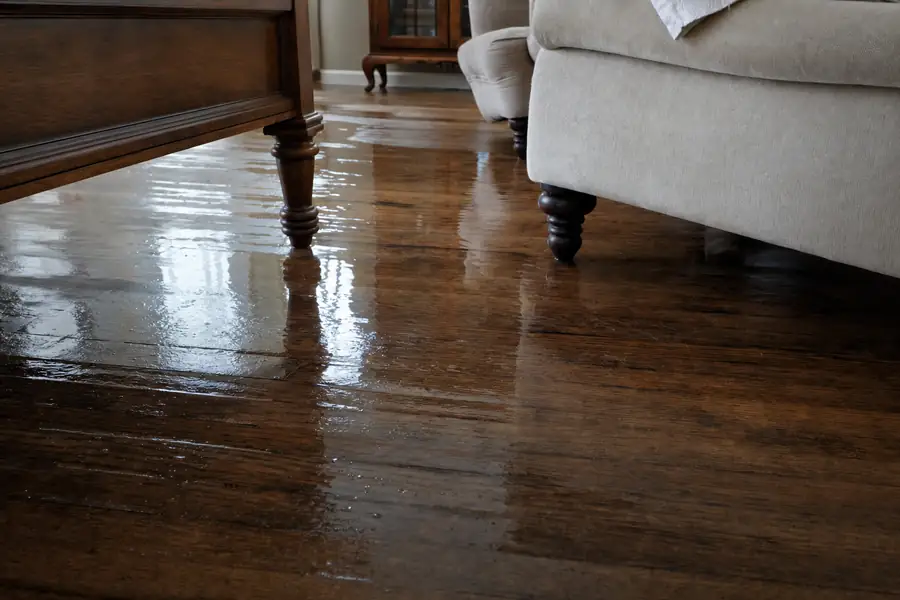
First 5 Minutes: Safety (Power Off, Slip and Structural Hazards)
Your safety comes before your belongings in the first five minutes after water damage. Standing water near outlets, appliances, or a breaker panel creates a real shock hazard, so treat every wet room as an electrical risk until you know otherwise.
- Shut off power to the affected area at the breaker if the panel itself is dry and reachable. If the panel is wet or underwater, leave it alone and call an electrician instead.
- Watch for slip hazards on wet tile, hardwood, or laminate, and move slowly through the space.
- Check ceilings and walls for sagging, bulging, or cracking. Wet drywall and waterlogged ceilings can collapse without warning, so keep kids and pets out of any room showing these signs.
- Get everyone, including pets, out of standing water until you've confirmed the power is off.
Stop the Water Source
You can't dry out a flooded house while water keeps coming in, so finding and stopping the source is the next move. For a burst pipe or supply line, shut off the main water valve, usually located near the water meter or where the line enters the house.
For a washing machine hose, dishwasher line, or water heater, shut off the valve feeding that specific appliance. If you can't find the source or the water keeps coming, stop guessing and get a professional out to the house.
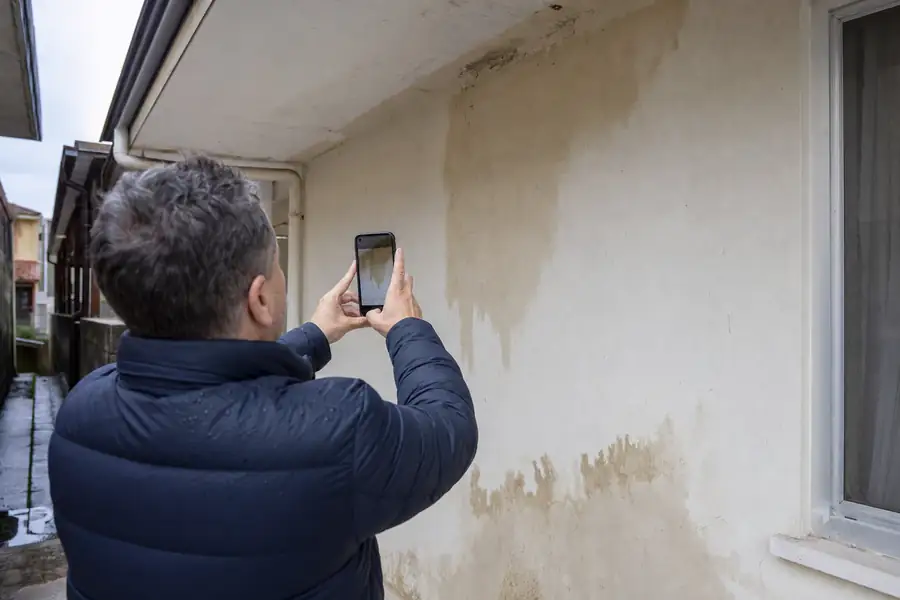
Document Everything for Insurance Before Cleanup (Photos, Video, Inventory)
Photograph and video the damage before you move or remove anything, since insurers rely on this record to process a claim. Documentation you gather now may support your claim, though actual coverage and outcomes always depend on your specific policy and carrier.
- Wide shots of every affected room, then close-ups of damaged flooring, walls, and furniture.
- A video walkthrough narrating what happened and when you noticed it.
- A written inventory of damaged items, including approximate age and value.
- Photos of the water source itself, whether that's the burst pipe, the overflowing appliance, or the roof leak.
Keep receipts for any emergency repairs, like a plumber's visit or a tarp for the roof. Most insurers want proof you took reasonable steps to prevent further damage.
Remove Standing Water
Getting standing water out fast is what actually limits the damage, since carpet, padding, and subfloor start absorbing water within minutes. A wet/dry shop vacuum or a mop and bucket handles small amounts. For anything deeper than an inch or covering more than a room, call the 24/7 line at (855) 507-8955 for professional extraction rather than fighting it alone.
Move furniture, rugs, and electronics out of the wet area as soon as it's safe. Wood furniture legs and cardboard boxes wick water upward fast, staining floors and spreading damage to items that were never actually submerged.
Not sure when your carpets were last deep cleaned?
Get an exact price online in about two minutes. No phone tag, no surprise fees.
Get My Instant Quote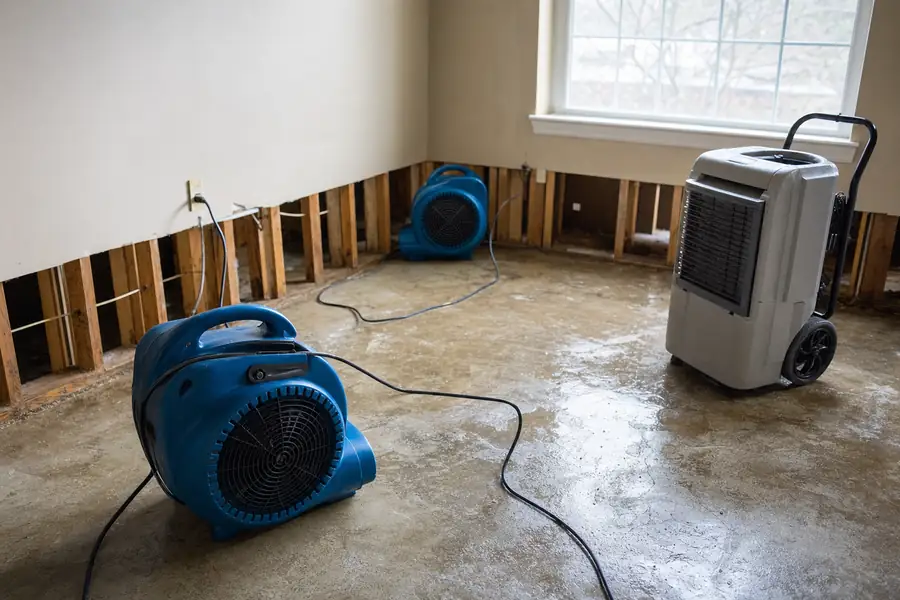
Start Drying and Ventilation
Airflow and low humidity are what actually dry a wet house, not time alone. Open windows if the outside air is drier than inside, run box fans and a dehumidifier, and point airflow across wet floors and walls rather than just into the room.
Wet carpet rarely dries on its own fast enough to prevent mold in most cases, since the padding underneath holds moisture long after the surface feels dry. In humid climates like Florida, drying can take considerably longer, which is why homes there often need commercial-grade dehumidifiers rather than household fans. Once floors are fully dry, a professional carpet cleaning removes residue and contaminants left behind, and a regular professional cleaning schedule afterward helps you catch problems early.
The 24-48 Hour Mold Window
Mold can begin growing on wet materials within 24 to 48 hours, which is why drying speed matters more than drying perfection. Mold is a fungus that spreads through airborne spores and thrives on any organic material, drywall, wood, carpet backing, that stays damp.
Watch for a musty smell, discoloration on baseboards or drywall, or visible fuzzy growth. If you spot any of these signs, or if water covered more than a small area for more than two days, a professional drying and mold assessment is worth the call rather than a DIY attempt.
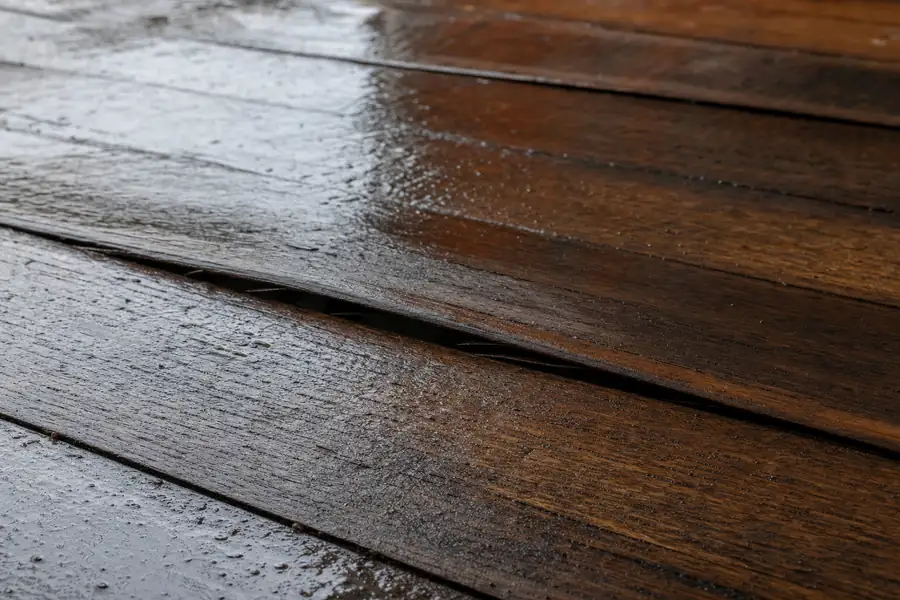
What NOT to Do After Water Damage
- Don't use a household vacuum to pull up standing water. Regular vacuums aren't built for it and can short out or ruin the motor.
- Don't wait to see if it dries on its own before calling for help. Waiting is the single biggest reason small leaks turn into mold problems and flooring replacements.
- Don't walk on wet hardwood or laminate more than necessary. Foot traffic pushes water deeper into seams and speeds up warping.
- Don't run electrical appliances that got wet, even after they seem dry, until an electrician checks them.
- Don't throw away damaged items before photographing them for your insurance claim.
When to Call Professionals
Call a professional the moment water damage covers more than one room, the source is unknown, or water sat for more than a few hours before you found it. Category 2 or 3 water, meaning water contaminated by sewage, appliances, or floodwater, also calls for professional handling rather than DIY cleanup, since it carries health risks household cleaning can't fully address.
Shiny Rhino's water damage restoration technicians run truck-mounted extraction and commercial drying equipment around the clock, and they're trained to spot moisture trapped behind walls and under flooring that's easy for a homeowner to miss. Call the 24/7 emergency line, or contact Shiny Rhino to get a technician started on drying out your home before mold has a chance to set in.