
Quick answer: Water damage usually looks like yellow-brown stains or rings on ceilings and walls, soft or warped flooring underfoot, and a musty smell that keeps coming back no matter how often you clean. Any one of these on its own is worth checking out, and together they almost always mean moisture is getting into places it shouldn't.
Water damage rarely announces itself with a dramatic flood. Most of it starts as a slow drip behind a wall or under a floor, and by the time you notice an obvious sign, the leak has often been active for weeks. Knowing what water damage looks like, and where to check for it, is the difference between a quick repair and a full remediation job.
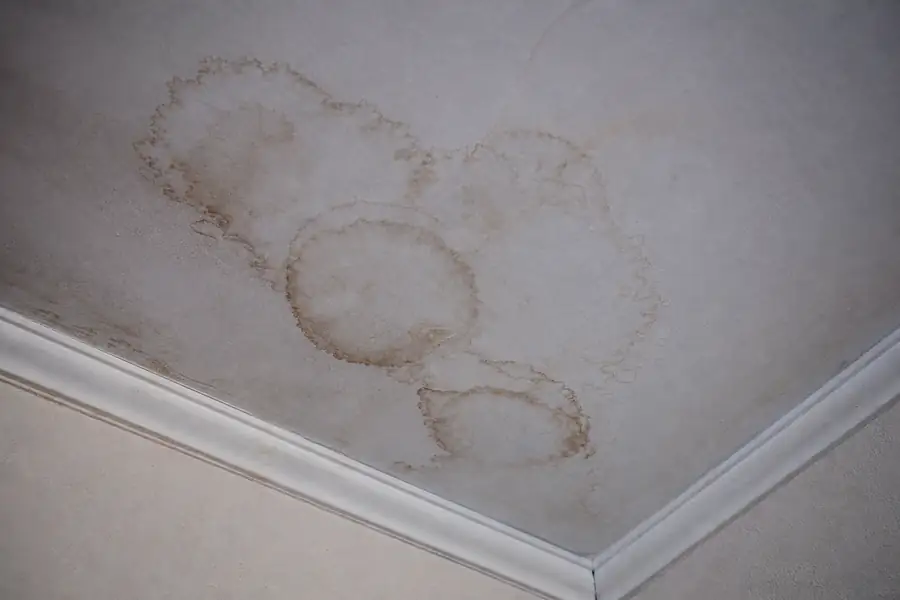
What Water Damage Looks Like on Walls and Ceilings
Water damage on walls and ceilings looks like discolored rings or spreading stains, usually yellow, brown, or copper-colored against light paint. These rings form because minerals and dirt in the water leave a border as the moisture evaporates, so a stain with a darker outline almost always means water, not dust.
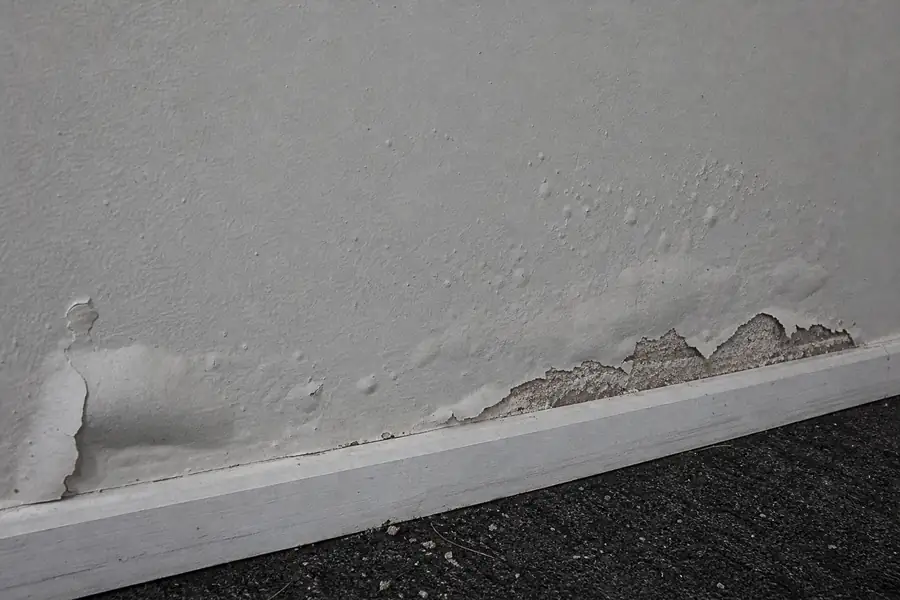
Bubbling or peeling paint is the next-stage sign of water damage in walls. When moisture gets trapped behind paint or wallpaper, it breaks the bond with the drywall underneath, and the surface lifts, bubbles, or flakes even though nothing feels wet to the touch. Drywall that feels soft, spongy, or crumbles under light pressure has likely been wet for some time and may already be breaking down structurally.
What Water Damage Looks Like on Floors
Water damage on floors looks like texture changes more than obvious stains: cupped wood, soft subflooring, loose tile, and carpet that stays damp long after it should be dry. Hardwood that cups, meaning the edges of each plank rise higher than the center, has absorbed moisture from below and is one of the clearest wood floor warning signs.
Soft spots in the subfloor, tiles that have come loose or sound hollow when tapped, and carpet that smells off days after the last time it got wet all point to water working through the floor assembly rather than just sitting on top of it. Water-damaged hardwood floors can sometimes be saved if the moisture is caught before the wood swells past repair, but waiting rarely helps the outcome.
The Smell Test: Musty Means Mold Risk
A persistent musty smell is one of the most reliable hidden water damage signs, because mold and mildew produce it as a byproduct of breaking down wet building materials. If a room smells earthy or stale even after airing it out and cleaning visible surfaces, moisture is likely trapped somewhere you can't see, like inside a wall cavity or under flooring.
Humidity makes this sign harder to read in some climates. Homes in Florida and other high-humidity regions naturally take longer to dry out after any moisture event, so a musty smell that lingers more than two or three days there is a stronger signal than the same smell in a dry climate.
The Silent Signals: Unexplained Water Bills and Running-Water Sounds
An unexplained jump in your water bill, with no change in usage, almost always means water is leaking somewhere in the system, even if nothing looks wet yet. A sudden increase of 20 percent or more month over month is worth investigating with a plumber before it ever shows up as a stain.
Not sure when your carpets were last deep cleaned?
Get an exact price online in about two minutes. No phone tag, no surprise fees.
Get My Instant QuoteThe sound of running water when every faucet is off is another silent signal. It usually means a pipe is leaking inside a wall, floor, or ceiling cavity, and the sound often gets louder in a quiet house at night, which is when most homeowners first notice it.
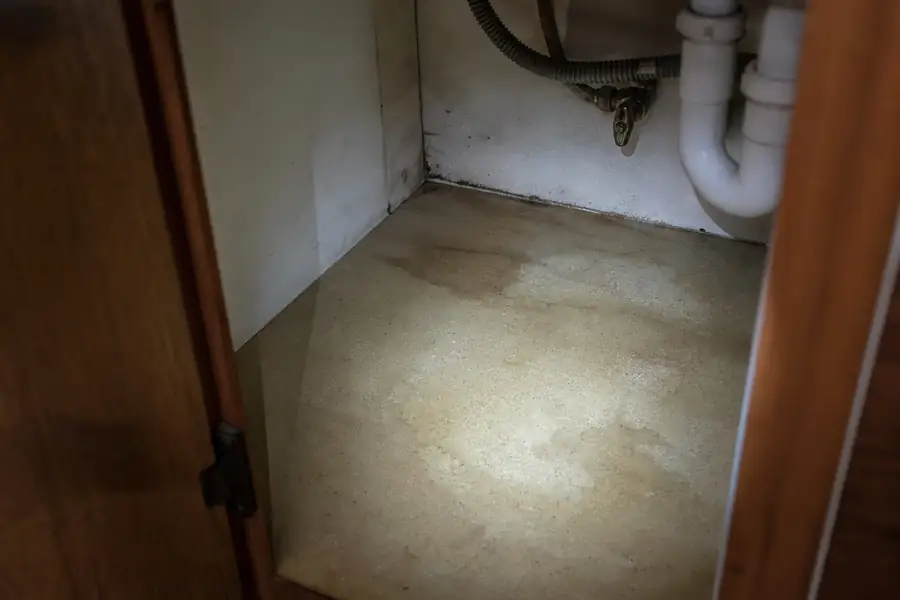
Room-by-Room Hotspot Checklist for Hidden Water Damage Signs
Hidden water damage signs cluster around the same handful of spots in almost every home, so checking these areas regularly catches problems early.
- Under sinks: check for warped cabinet wood, dark rings, or a faint sulfur smell near the supply lines.
- Around toilets: look for soft, spongy flooring or discoloration at the base where the wax ring seals to the floor.
- Water heater: check the tank base and surrounding floor for rust streaks or standing water.
- Roofline and attic: scan for dark streaks on rafters, sagging insulation, or daylight showing through the roof deck.
- Window frames: press on the sill and trim for soft wood, and look for peeling paint at the corners.
Our guide to hidden spots that need deep cleaning covers several of these same areas from a maintenance angle, and it's worth pairing with this checklist since dirt and moisture tend to collect in the same places.
How Pros Confirm Water Damage
Professionals confirm water damage with tools that measure moisture content instead of guessing. A moisture meter presses two pins into a material, or reads it contactless, and reports the exact percentage of water trapped inside drywall, wood, or concrete, so a technician can map how far moisture has traveled beyond the visible stain.
Thermal imaging cameras read surface temperature differences, since wet materials read cooler than the dry areas around them. Combining both tools lets a trained technician find water damage behind drywall or under flooring without cutting into anything first, which is why a flashlight and a hunch usually miss the full extent of a leak.
Why Acting Early Is Cheap and Waiting Is Not
Water damage caught within the first 24 to 48 hours usually means drying out materials, not replacing them. Left longer, the same leak can mean torn-out drywall, pulled flooring, and mold remediation, which costs several times more than an early repair.
A water damage restoration technician can run a free assessment with moisture meters and thermal imaging to tell you exactly how far a leak has spread before you commit to any repair. It's worth checking whether homeowners insurance covers water damage in your situation too, since coverage often depends on how quickly the damage was identified and addressed.