
Berber carpet is a carpet style made from a continuous looped pile, where the yarn forms small loops instead of being cut and sheared flat. Most Berber carries a flecked, multi-tone color pattern that gives it a speckled, oatmeal-like look and hides everyday dirt better than solid-color carpet.
The name comes from the hand-woven rugs of North Africa's Berber tribes, though today's version is machine-tufted broadloom sold by the roll. It shows up most in basements, offices, and rentals, since the tight loops wear well under traffic and don't show soil the way plush cut-pile carpet does.
- Berber carpet uses looped pile, not cut pile.
- Flecked, multi-tone yarn hides dirt and wear.
- Olefin costs less but traps oily stains; nylon and wool resist them better.
- Vacuum with suction only. A beater bar can snag and unravel the loops.
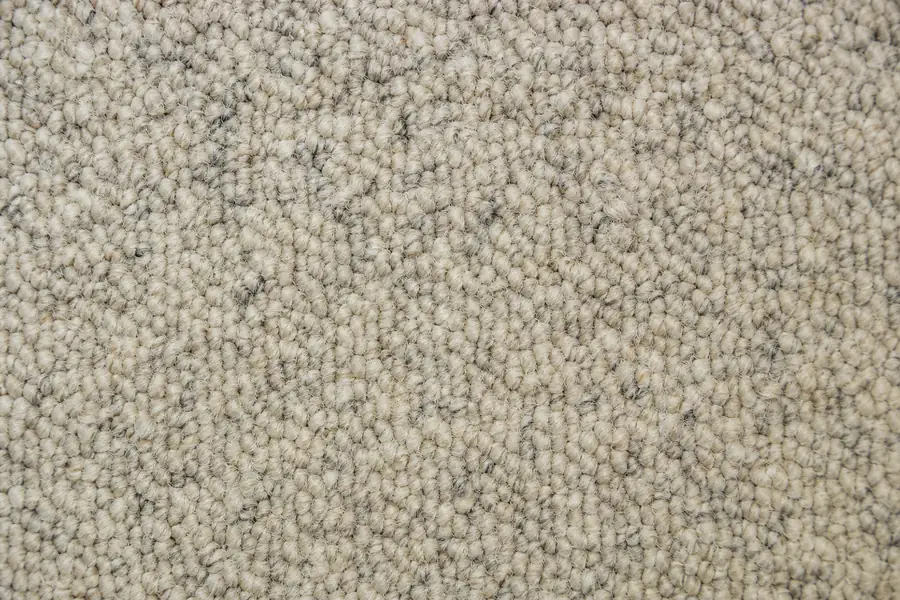
What Makes a Carpet Berber
What makes a carpet Berber is the loop: yarn is pulled up from the backing and left uncut, rather than sheared into an upright tuft. That's what separates it from plush, saxony, or frieze carpet.
Because each loop stays anchored at both ends, Berber lies flatter and feels denser underfoot than cut-pile carpet of similar weight. The flecked coloring isn't just decorative: it scatters light across the surface so dirt and pet hair blend in rather than standing out.
Berber Carpet Materials Matter
The fiber a Berber carpet is made from decides how it wears and how it should be cleaned.
Olefin
Olefin (polypropylene) is the most common Berber fiber, cheap and naturally resistant to water-based stains. Its weakness is oil: olefin fibers absorb oily soil into the strand itself, which is why grease and body oils on olefin Berber can seem impossible to fully remove.
Nylon
Nylon Berber costs more but resists crushing and abrasion, and stays stain-resistant with a factory protectant. It's the better choice for stairs, hallways, and family rooms.
Wool
Wool Berber is the premium option, valued for natural resilience and the way it springs back after furniture moves. It needs gentler, pH-balanced cleaning to protect the fiber.

Berber Carpet Pros and Cons
Berber carpet's biggest strength is hiding dirt and standing up to heavy traffic, but the same loop construction makes it prone to snagging and holding onto oily soil.
The dense loop pile resists crushing better than plush carpet, so it holds its texture in busy rooms for years, and the flecked pattern keeps everyday dust and pet hair from standing out.
The trade-off shows up in two places. A loose thread, pulled by a vacuum brush roll, a pet claw, or a furniture leg, can catch a loop and start a run that unravels across several feet. And because olefin Berber especially absorbs oily soil directly into the fiber, grease and lotion residue can leave stains that fade back into view weeks after you thought they were gone.
Not sure when your carpets were last deep cleaned?
Get an exact price online in about two minutes. No phone tag, no surprise fees.
Get My Instant QuoteHow to Vacuum Berber Carpet Without Wrecking It
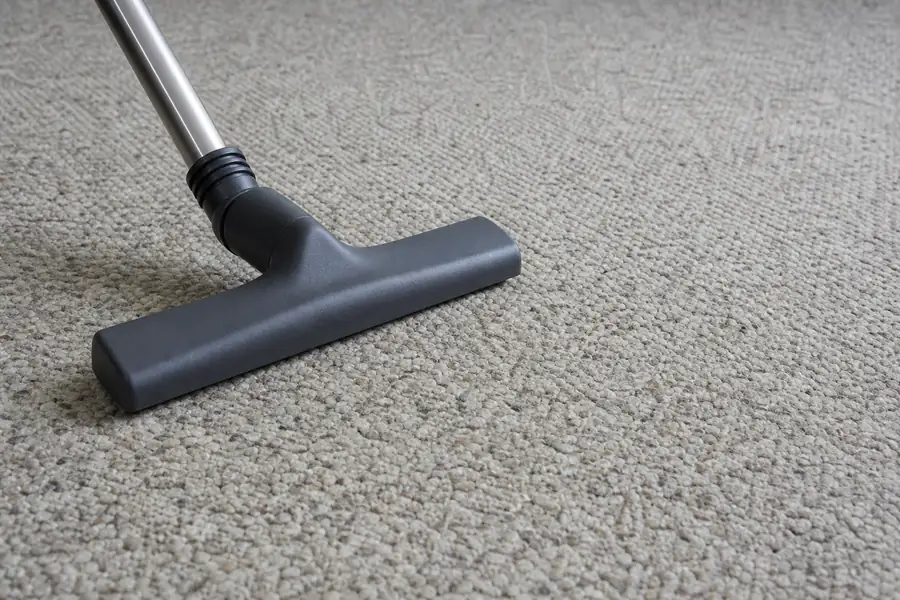
Vacuum Berber carpet with suction only, never a beater bar or a brush roll set low enough to grab the loops.
A beater bar is built to agitate cut-pile carpet, but on looped carpet it can hook a single loop and pull a thread loose, which spreads into a run with foot traffic. Set an upright vacuum's brush roll to its highest setting, or switch to a canister vacuum with a suction-only attachment. Vacuum weekly, twice a week in homes with pets or heavy dust, including drier climates like Colorado, where dry heat pulls outdoor dust in fast.
Berber Carpet Cleaning: How to Handle Stains
Clean stains on Berber carpet by blotting straight down into the loops, never scrubbing, which pushes soil deeper and pulls loops out of shape.
Work from the outside of the stain toward the center with a clean white cloth, rinse with cool water, and blot again until no more color transfers. The carpet stain removal guide covers the right approach by stain type, and keeping Shiny Rhino Spot Remover on hand helps lift fresh spots without leaving residue that attracts more dirt.
Oily stains on olefin Berber need different treatment, since standard cleaners lift water-based soil, not oil. A dry solvent-based spot cleaner works better on grease and lotion stains, and even then a faint shadow can remain once oil has set into the fiber.
How Professionals Clean Berber Carpet
Professional Berber carpet cleaning relies on low-moisture methods that clean the loops without soaking the backing or pulling threads loose.
Shiny Rhino technicians typically pre-treat oily and high-traffic areas with a pH-balanced solution matched to the fiber, then use truck-mounted hot water extraction with controlled pressure to lift soil without over-wetting the pile. Over-wetting is the real risk with Berber: too much water wicks into the backing, slows drying, and can loosen the adhesive holding loops in place. Anyone comparing steam cleaning against dry carpet cleaning methods will find Berber does best with a controlled, moderate-moisture approach. In humid regions like Florida, that moisture control matters even more, since tight loops trap humidity and slow drying time.
Booking professional carpet cleaning for Berber every 12 to 18 months keeps oily soil from settling in before it turns into a permanent stain, and online bookings apply an automatic discount at checkout.