
Quick answer: Flip a cushion or check the frame for a small sewn-in tag marked W, S, WS, or X. That single letter tells you whether water, solvent, either method, or nothing but a vacuum is safe for your fabric.
Every upholstered piece leaves the factory with a label that spells out the safest cleaning method for its fabric. Furniture makers call these upholstery cleaning codes, and reading a furniture fabric cleaning tag correctly is the difference between a clean sofa and a ruined one. This guide breaks down what each code means and exactly how to clean upholstery once you know your letter.
Before trying any method below, test it on a hidden patch first, like the underside of a cushion or the back of an arm. Apply a small amount, blot, and wait 10 minutes to check for color change, shrinkage, or texture change. If anything looks off, stop and call a professional instead.
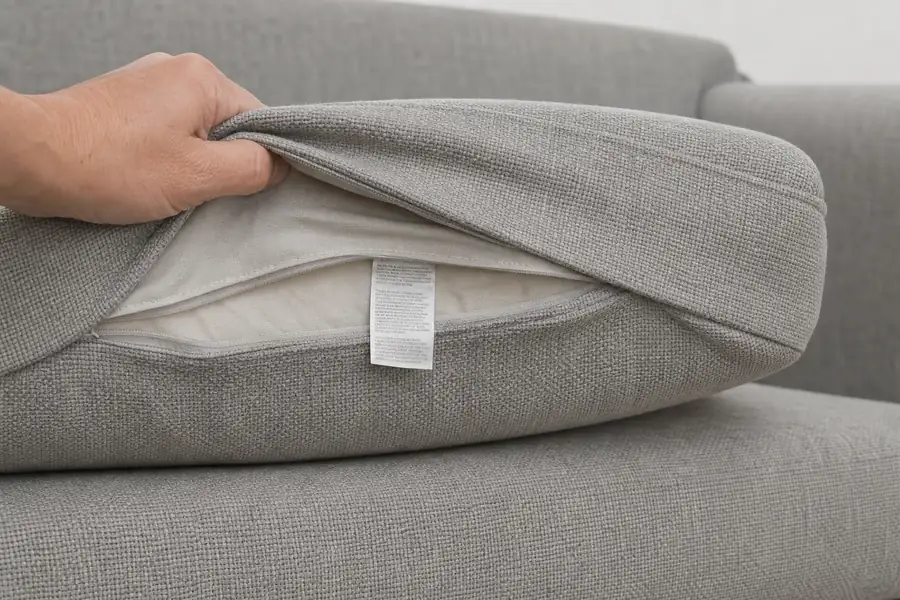
Where to Find the Upholstery Cleaning Code on Your Furniture
The tag sits somewhere the manufacturer expects an owner to look, not somewhere obvious to a guest. Check the underside of a cushion, the zipper flap along a seat cushion, the frame under the skirt, or a fold in the fabric near a back leg. Older or higher-end pieces sometimes staple the tag to the wood frame itself, so a flashlight helps. If you can't find one anywhere, treat the piece as unmarked and follow the safe fallback method further down.
Code W: How to Clean Water-Safe Upholstery Step by Step
A W code means the fabric is safe for water-based cleaning, the method Shiny Rhino technicians use most often on cotton, linen, and many synthetic blends. Vacuum the cushions and crevices first to lift loose soil and pet hair. Mix a mild, pH-balanced upholstery cleaner with water, work it into the fabric with a soft-bristle brush in the direction of the weave, then blot with a clean white towel, never scrub. Let the piece air dry fully, ideally near open windows or a fan, before anyone sits on it again. For quick touch-ups between deep cleans, Shiny Rhino Spot Remover is formulated for water-safe fabrics and won't leave a ring if you blot instead of rub.
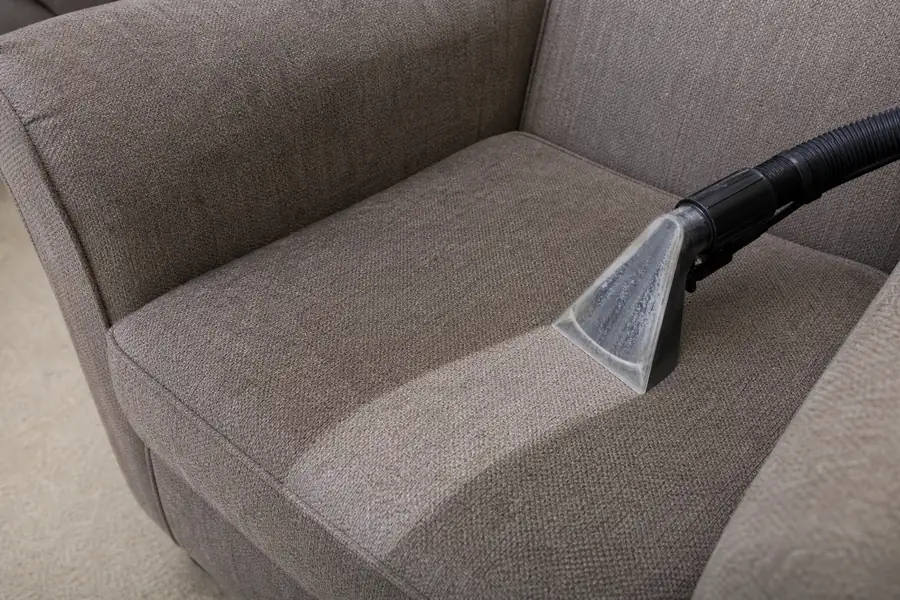
Code S: How to Clean Solvent-Only Upholstery Step by Step
An S code means water is off the table and the fabric needs a water-free solvent cleaner instead, common on silk, velvet, and many wool blends. Water can cause these fibers to shrink, water-spot, or bleed dye permanently. Vacuum first, then apply a small amount of a solvent-based upholstery cleaner to a clean cloth rather than directly onto the fabric, and dab in short strokes. Work in a well-ventilated room, since solvent cleaners carry stronger fumes than water-based products. If a stain doesn't lift after one or two gentle passes, stop: repeated solvent applications can dull a fabric's finish faster than the stain itself.
Code W-S: How to Clean Fabric Rated for Either Method
A WS tag means the fabric tolerates either a water-based cleaner or a solvent-based one, giving you more flexibility for tough stains. Start with the gentler water-based method described above, since it's easier to control and rinse away. Switch to a solvent cleaner only if a specific stain, like grease, ink, or oil-based makeup, resists water. Blends like polyester-cotton and many performance fabrics carry this code because they hold up to both approaches without shrinking or watermarking.
Not sure when your carpets were last deep cleaned?
Get an exact price online in about two minutes. No phone tag, no surprise fees.
Get My Instant Quote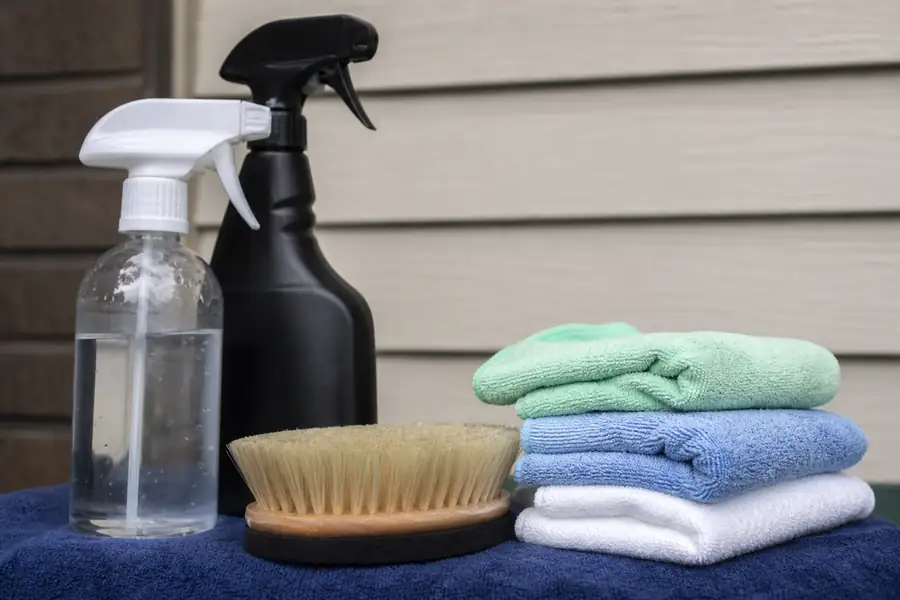
Code X: Why This Fabric Tag Means Vacuum Only
An X code means vacuum only, no water, no solvent, no DIY cleaner of any kind. Manufacturers use this rating on delicate natural fibers, some silks, and fabrics with finishes that react badly to any liquid, including plain water. Vacuuming with a soft upholstery attachment removes surface dust and pet hair without damaging the weave. Anything beyond that, including cleaners marketed as safe for all fabrics, risks permanent water rings, shrinkage, or color loss. That's a job for professional Furniture & Upholstery Cleaning, where technicians identify the actual fiber and use dry or low-moisture methods built for it, not a rented machine or a bottle of all-purpose shampoo.
No Tag? The Safe Way to Clean Upholstery Anyway
No tag doesn't mean no risk, it means defaulting to the gentlest method available. Vacuum thoroughly, then spot test a mild, water-based cleaner on a hidden area and watch for 10 minutes before treating the whole piece. If the fabric shows any color change, puckering, or texture shift during the test, stop immediately and treat it like an S or X code instead. When a piece is inherited, vintage, or came without documentation, that uncertainty is reason enough to call a professional rather than guess.
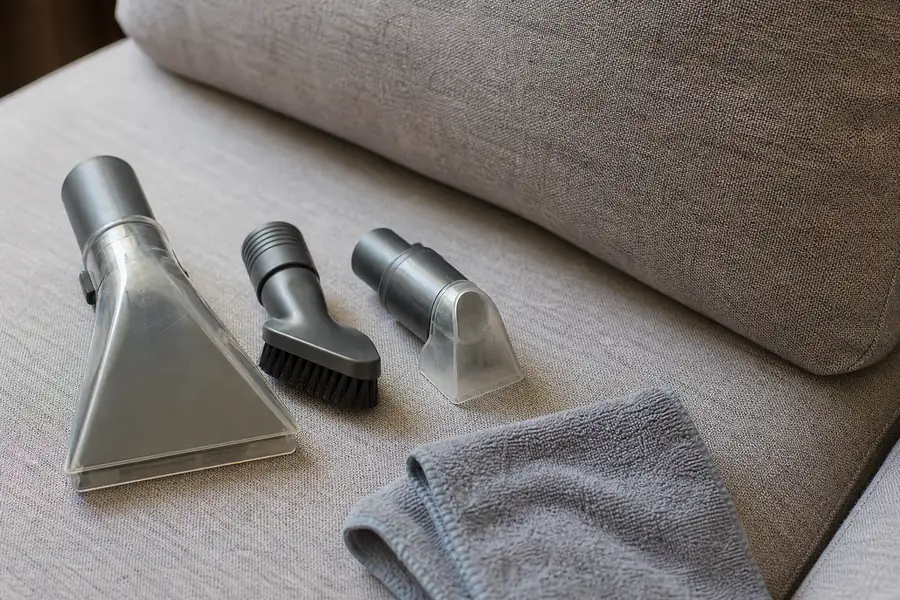
Tools That Make Upholstery Cleaning Easier
A soft-bristle upholstery brush attachment loosens embedded soil and pet hair without fraying delicate weaves the way a stiff carpet brush would. A vacuum with a narrow crevice tool reaches the piping and button tufting where crumbs and dust collect. For W and WS fabrics, a small upholstery extractor applies cleaning solution and pulls it back out in one pass, cutting drying time compared to a spray-and-blot approach. Between professional visits, removing pet hair from a couch with a rubber-bristle brush keeps fabric looking fresh and cuts down on what builds up in the fibers. Neglected upholstery doesn't just look tired: dust, pet dander, and skin cells trapped in the fibers can affect the air you breathe at home.
Why X-Code and Antique Upholstery Belong With Professionals
X-coded fabric and antique upholstery carry the highest risk of permanent damage from a DIY attempt, because there's no safe liquid method to fall back on if something goes wrong. Shiny Rhino technicians are trained to identify fiber type on sight, test reactions before committing to a method, and use dry-cleaning agents or low-moisture systems that never touch water on off-limits fabric. That training, background-checked technicians, and years of matching method to material is what makes professional cleaning worth it on a piece you can't afford to guess wrong on. Booking online applies an automatic discount, so professional care on a delicate or valuable piece often costs less than replacing a chair damaged trying to save the difference.